
BLUF: NEVI funding Illinois is bringing tens of millions of federal dollars to rapidly expand the state’s electric vehicle (EV) charging network, focusing first on interstate corridors and underserved regions. The program prioritizes reliable, fast-charging stations every 50 miles, helping Illinois build a cohesive, future-ready charging ecosystem.
This investment directly supports Illinois charging infrastructure growth, aligns with the official EV corridor map Illinois, and encourages collaboration with utilities, including utility-owned chargers Illinois, to ensure long-term reliability.
What Is NEVI Funding and Why It Matters in Illinois
The National Electric Vehicle Infrastructure (NEVI) Formula Program was created under the Bipartisan Infrastructure Law to establish a nationwide network of EV fast chargers. Illinois, as a major transportation and logistics hub, plays a critical role in this national strategy.
NEVI funding is distributed to states annually, allowing them to plan, build, and operate EV charging stations that meet federal standards. In Illinois, these funds are managed primarily through the Illinois Department of Transportation (IDOT), with close coordination from the Illinois Environmental Protection Agency and the Illinois Commerce Commission.
- Primary goal: Eliminate range anxiety for EV drivers
- Secondary goal: Support economic development and emissions reduction
- Long-term vision: A seamless EV charging experience statewide
How NEVI Funding Illinois Is Being Allocated
Illinois receives an annual NEVI allocation as part of a five-year federal commitment totaling billions nationwide. While exact year-to-year figures vary, Illinois is expected to receive approximately $148 million over the life of the program.
Funding allocation follows a clear hierarchy designed to maximize impact early.
Priority Areas for Investment
- Interstate highways and major U.S. routes
- Designated Alternative Fuel Corridors
- Rural and underserved communities
- Urban infill where charging gaps exist
Only after interstate corridors are fully built out can Illinois expand NEVI-funded stations beyond those routes.
Illinois Charging Infrastructure Standards Under NEVI
NEVI funding comes with strict technical and operational requirements. These standards ensure consistency, safety, and reliability across the national charging network.
| Requirement | NEVI Standard |
|---|---|
| Charger Type | DC Fast Chargers |
| Minimum Power | 150 kW per port |
| Number of Ports | At least 4 per site |
| Spacing | Every 50 miles or less |
| Uptime Requirement | 97% operational availability |
These standards significantly raise the bar for Illinois charging infrastructure, ensuring stations are not only present but dependable.
Understanding the EV Corridor Map Illinois Uses
The EV corridor map Illinois relies on federally designated Alternative Fuel Corridors. These corridors include major interstates such as I‑90, I‑94, I‑55, I‑57, I‑70, and I‑80.
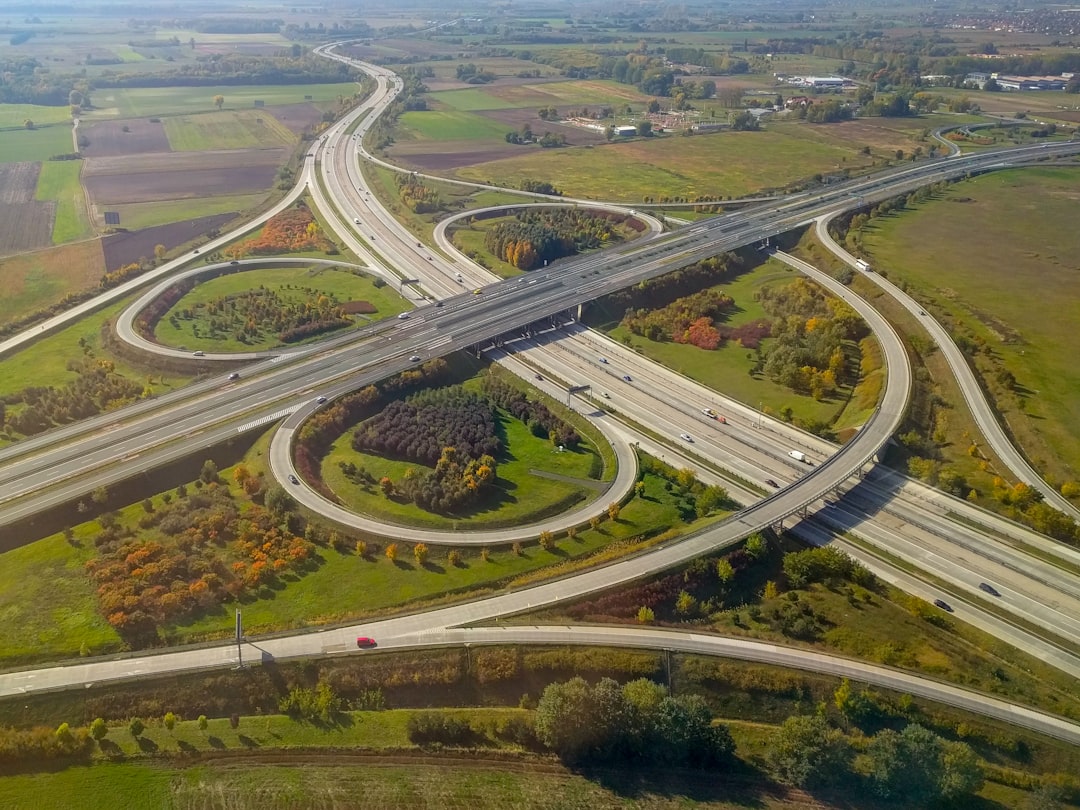
By focusing on these corridors, Illinois ensures that EV drivers can travel across the state—and beyond—without worrying about charger availability.
Why Corridors Come First
- They support interstate commerce and tourism
- They serve the highest traffic volumes
- They create immediate confidence in EV adoption
Once corridor coverage is complete, NEVI funds can be directed toward community-based charging projects.
Role of Utility-Owned Chargers Illinois Is Considering
One of the most debated aspects of NEVI implementation is the role of utilities. Utility-owned chargers Illinois are increasingly viewed as a way to ensure grid reliability, maintenance consistency, and equitable access.
Utilities bring unique advantages to EV charging deployment.
- Experience managing critical infrastructure
- Ability to invest at scale
- Direct integration with grid upgrades
However, Illinois regulators balance these benefits against concerns about competition and market fairness.
Utility Ownership vs. Private Operators
| Aspect | Utility-Owned | Privately Owned |
|---|---|---|
| Grid Integration | High | Medium |
| Speed to Deploy | Moderate | Fast |
| Long-Term Maintenance | Very Strong | Varies by Operator |
Illinois’ approach encourages partnerships rather than a one-size-fits-all model.
Economic and Environmental Benefits for Illinois
NEVI funding Illinois is about more than charging stations. It is a catalyst for economic growth, job creation, and environmental progress.
Economic Impacts
- Construction and electrical jobs statewide
- Increased traffic to local businesses near chargers
- Attraction of EV-related manufacturing and services
Environmental Gains
- Reduced greenhouse gas emissions
- Improved air quality in urban corridors
- Support for Illinois climate goals
These benefits compound as EV adoption increases.
Challenges Facing NEVI Implementation in Illinois
Despite its promise, deploying NEVI-funded charging stations is not without obstacles.
- Grid capacity limitations in rural areas
- Permitting and zoning delays
- Supply chain constraints for equipment
- Cold weather performance considerations
Illinois agencies are addressing these challenges through streamlined permitting, utility coordination, and phased deployment strategies.
What Comes Next for Illinois Charging Infrastructure
Over the next several years, drivers will see a noticeable transformation in the state’s EV landscape. Early NEVI-funded stations will set the standard for reliability and user experience.
As corridors are completed, Illinois can shift focus to:
- Community charging hubs
- Freight and medium-duty electrification
- Integration with renewable energy
This phased approach ensures both immediate impact and long-term sustainability.
Frequently Asked Questions About NEVI Funding Illinois
FAQ
How much NEVI funding is Illinois receiving?
Illinois is expected to receive approximately $148 million over five years through the NEVI Formula Program.
Where will NEVI chargers be located in Illinois?
NEVI chargers in Illinois are primarily located along designated Alternative Fuel Corridors, following the official EV corridor map.
Can utilities own NEVI-funded chargers in Illinois?
Yes, utility-owned chargers are allowed in Illinois when approved by regulators and aligned with NEVI program rules.
When will drivers see the first NEVI chargers operational?
Initial NEVI-funded charging stations in Illinois are expected to become operational as corridor projects are completed over the next few years.
Take Action: Stay Ahead of Illinois’ EV Charging Expansion
NEVI funding Illinois is reshaping how people travel, invest, and plan for the future. Whether you are a policymaker, site host, utility, or EV driver, now is the time to engage with this transformation.
Track corridor deployments, explore partnership opportunities, and position yourself to benefit from Illinois’ rapidly expanding EV charging infrastructure today.