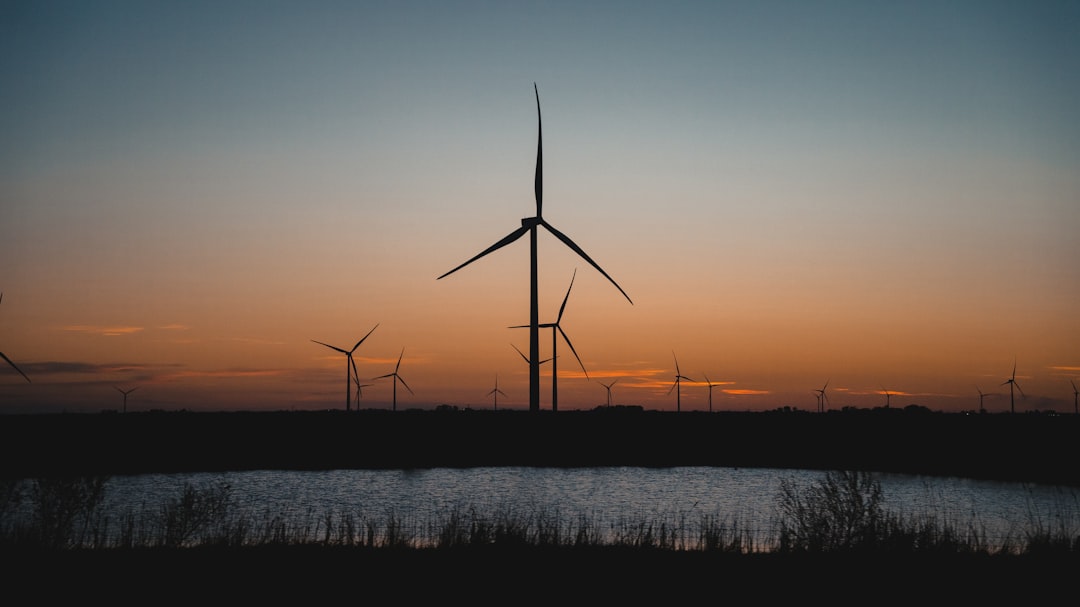

Illinois renewable energy programs help homeowners and businesses lower energy costs, earn incentives, and support the state’s clean energy future. Through the Clean Energy Jobs Act (CEJA), Illinois offers solar, storage, energy efficiency, and workforce incentives designed to meet ambitious climate goals while putting money back in residents’ pockets.
This guide explains how Illinois renewable energy programs work, what CEJA incentives are available, and how homeowners can take advantage of the clean energy transition happening statewide.
Overview of Illinois Renewable Energy Programs
Illinois has emerged as a national leader in clean energy policy. The state’s renewable energy strategy focuses on reducing carbon emissions, expanding solar and wind power, and ensuring equitable access to clean energy benefits.
At the center of these efforts is the Clean Energy Jobs Act (CEJA), passed in 2021. CEJA reshaped Illinois energy policy by combining climate action with economic development and consumer savings.
- Expanded solar and wind incentives
- Stronger energy efficiency standards
- Support for low-income and environmental justice communities
- Job training and workforce development programs
For homeowners, these programs translate into rebates, tax credits, performance payments, and long-term utility savings.
Illinois Climate Goals & Homeowners: Why It Matters
Illinois climate goals & homeowners are closely connected. The state aims to reach 100% clean energy by 2050, with interim targets that directly impact residential energy choices.
Homeowners play a critical role because residential buildings account for a significant portion of energy use and emissions.
Key Illinois Climate Targets
| Goal | Target Year | What It Means for Homeowners |
|---|---|---|
| 40% renewable energy | 2030 | More solar incentives and grid upgrades |
| 50% renewable energy | 2040 | Expanded storage and efficiency programs |
| 100% clean energy | 2050 | Fully decarbonized electricity supply |
To achieve these goals, Illinois offers financial incentives that make clean energy upgrades more affordable for everyday households.
Clean Energy Transition Illinois: What’s Changing
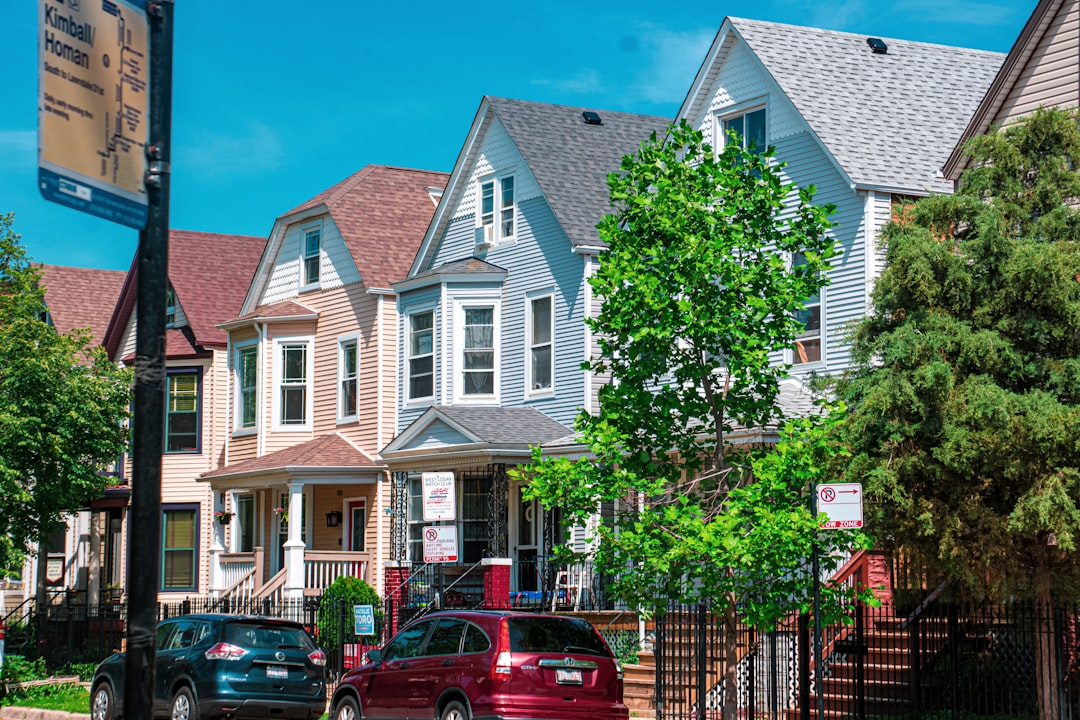
The clean energy transition Illinois is not just about new power plants—it’s about transforming how energy is generated, delivered, and used at the local level.
Homeowners are seeing changes in:
- Utility programs that reward efficiency
- Increased access to rooftop and community solar
- Grid modernization and smart meters
- Electrification of heating, cooling, and transportation
CEJA ensures that this transition prioritizes affordability, reliability, and equity, especially for historically underserved communities.
Clean Energy Jobs Act Incentives Explained
Clean Energy Jobs Act incentives are the financial backbone of Illinois renewable energy programs. These incentives are designed to reduce upfront costs and accelerate adoption of clean technologies.
Primary CEJA Incentive Categories
- Solar incentives for rooftop and community solar
- Energy efficiency rebates through utilities
- Energy storage incentives for batteries
- Workforce and equity programs
Each category supports homeowners differently depending on income level, location, and energy usage.
CEJA Incentives for Homeowners: Solar Programs
CEJA incentives for homeowners are especially attractive for solar energy. Illinois uses a performance-based incentive system that pays homeowners for the clean energy their system produces.
Illinois Solar Renewable Energy Credits (SRECs)
Instead of traditional rebates, Illinois offers Renewable Energy Credits (RECs). Homeowners earn credits for each megawatt-hour of solar energy generated.
- Credits are sold to utilities to meet renewable standards
- Payments are often made upfront
- Values vary based on system size and program block
| Solar Type | Eligible Under CEJA | Payment Structure |
|---|---|---|
| Rooftop Solar | Yes | Upfront REC payment |
| Community Solar | Yes | Bill credits |
| Low-Income Solar | Yes (enhanced) | Higher REC values |
When combined with the federal solar tax credit, Illinois solar incentives can cover a significant portion of installation costs.

Energy Efficiency Programs for Illinois Homes
Energy efficiency is the fastest and most affordable way to reduce emissions. Illinois utilities are required to offer efficiency programs under CEJA.
Common Home Efficiency Incentives
- Rebates for high-efficiency HVAC systems
- Incentives for insulation and air sealing
- Smart thermostat rebates
- Appliance upgrade incentives
Programs are typically administered by utilities like ComEd and Ameren Illinois and may vary by service area.
Energy Storage and Electrification Incentives
CEJA also supports energy storage and electrification to complement renewable energy adoption.
Battery Storage Benefits
- Backup power during outages
- Better use of solar energy
- Potential future grid incentives
While storage incentives are still developing, CEJA laid the groundwork for expanded battery programs tied to solar installations.
Electrification Programs
Illinois is encouraging homeowners to switch from fossil fuels to electric technologies.
- Heat pump incentives
- Electric water heater rebates
- EV charger installation support
These upgrades align with long-term climate goals and reduce reliance on natural gas.
Equity-Focused Programs Under CEJA
A defining feature of Illinois renewable energy programs is their focus on equity.
CEJA dedicates funding to ensure low-income households and environmental justice communities benefit from clean energy investments.
Equity Program Highlights
- Enhanced solar incentives for low-income households
- Free or reduced-cost energy efficiency upgrades
- Community-driven clean energy projects
- Job training and contractor diversity requirements
These measures help ensure the clean energy transition benefits all Illinois residents.
How Homeowners Can Access Illinois Renewable Energy Programs
Getting started with Illinois renewable energy programs is straightforward when you follow a structured approach.
Step-by-Step Guide
- Assess your home – Review energy usage and roof condition.
- Research incentives – Identify CEJA, utility, and federal programs.
- Choose qualified contractors – Use Illinois-approved vendors.
- Apply for incentives – Most are handled by installers.
- Monitor savings – Track energy production and bill reductions.
Working with experienced local installers helps maximize available incentives and avoid application errors.
Frequently Asked Questions About Illinois Renewable Energy Programs
FAQ
What are Illinois renewable energy programs?
Illinois renewable energy programs are state and utility initiatives that support solar, wind, energy efficiency, and clean energy adoption through incentives and rebates.
What is the Clean Energy Jobs Act?
The Clean Energy Jobs Act is a comprehensive Illinois law that expanded renewable energy incentives, strengthened climate goals, and invested in clean energy jobs.
Are CEJA incentives for homeowners income-based?
Some CEJA incentives are enhanced for low-income households, but many programs are available to homeowners at all income levels.
Can homeowners combine CEJA incentives with federal tax credits?
Yes, Illinois homeowners can combine CEJA incentives with federal tax credits to significantly reduce clean energy costs.
Do renters qualify for Illinois clean energy programs?
Renters may qualify through community solar programs and certain utility efficiency initiatives.
Final Thoughts: Take Advantage of Illinois Clean Energy Incentives
Illinois renewable energy programs offer homeowners a rare opportunity to lower energy bills, increase home value, and support statewide climate goals. With CEJA incentives, the clean energy transition in Illinois is more accessible and affordable than ever.
Now is the time to act. Explore your eligibility, connect with qualified providers, and start benefiting from Illinois clean energy incentives today.