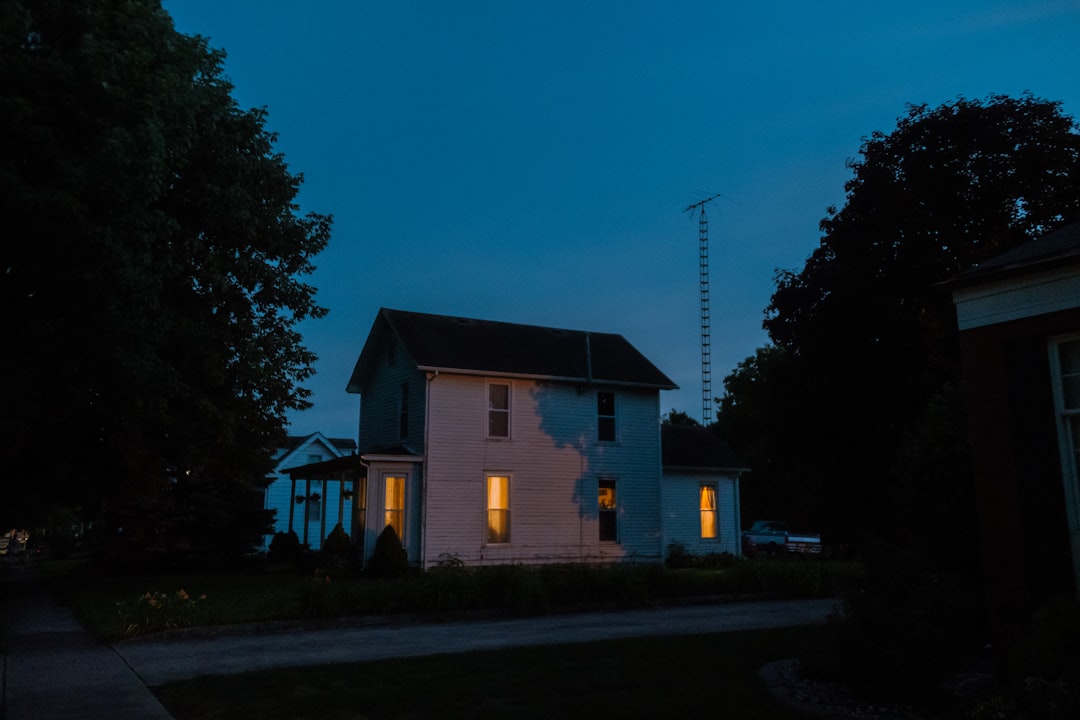

Home microgrid technology in Illinois allows homeowners to generate, store, and manage their own electricity while staying connected to the utility grid. In Illinois, these systems are increasingly popular for improving energy reliability, reducing ComEd electricity costs, and integrating solar, batteries, and smart home controls into one resilient solution.
For Illinois homeowners, a home microgrid means more control during outages, better use of solar energy, and protection from rising energy prices—all while remaining compliant with local utility and state regulations.
What Is Home Microgrid Technology?
Home microgrid technology is a localized energy system that can operate independently or in coordination with the main electric grid. Unlike traditional solar-only setups, a microgrid intelligently manages power from multiple sources.
In Illinois, a residential microgrid typically includes:
- Solar panels to generate clean energy on-site
- Whole-home battery integration for energy storage and backup power
- Smart inverters that control power flow
- Energy management software that optimizes usage in real time
- Utility interconnection through providers like ComEd
The system can “island” itself during grid outages, continuing to power critical or whole-home loads without interruption.
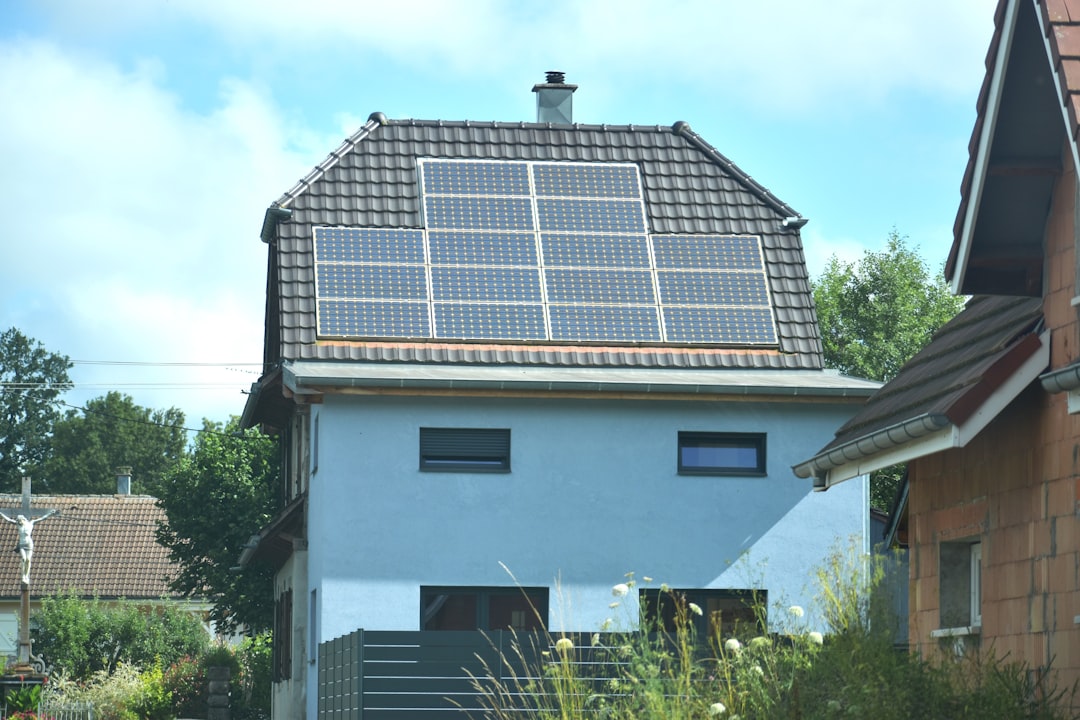
Why Home Microgrid Technology Matters in Illinois
Illinois homeowners face a unique combination of weather extremes, aging grid infrastructure, and fluctuating electricity prices. These conditions make home microgrids especially valuable.
Grid Reliability and Weather Resilience
Severe storms, polar vortex events, and summer heat waves can all strain the grid. A home microgrid provides:
- Seamless backup power during outages
- Protection for medical devices and home offices
- Reduced dependence on gas generators
Rising Electricity Costs
Illinois electricity rates, particularly in ComEd service territory, have become more volatile. Home microgrids help by:
- Reducing peak-time grid consumption
- Storing solar energy for evening use
- Offsetting future rate increases
State Clean Energy Goals
Illinois’ Climate and Equitable Jobs Act (CEJA) promotes renewable energy and storage. While incentives change over time, microgrid-ready homes are well-positioned to benefit from evolving programs.
Home Microgrids and ComEd: What Illinois Homeowners Should Know
Home microgrids ComEd customers install must comply with specific interconnection and net metering rules. The good news is that ComEd supports distributed energy resources when designed correctly.
Key ComEd Considerations
- Systems must include UL-listed inverters
- Anti-islanding protection is required
- Interconnection approval is mandatory before operation
- Smart meters enable advanced energy monitoring
Modern microgrid controllers are designed to meet ComEd requirements while still allowing homeowners to maintain control during outages.
Net Metering and Export Control
Many Illinois microgrids are designed to:
- Export excess solar power under net metering rules
- Limit exports when grid conditions require it
- Prioritize on-site consumption for maximum savings
This flexibility is especially important as utility policies continue to evolve.
Solar + Smart Home Integration: The Brain of the Microgrid
Solar + smart home integration is what transforms a basic energy system into a true microgrid. Smart controls make decisions automatically, based on data and homeowner preferences.
How Smart Integration Works
A microgrid energy management system continuously monitors:
- Solar production
- Battery charge levels
- Home energy consumption
- Utility rates and grid status
Based on this information, it can:
- Charge batteries when solar is abundant
- Discharge batteries during peak utility rates
- Shed non-essential loads during outages
- Coordinate with smart thermostats and EV chargers
Examples of Smart Home Microgrid Features
- Automated HVAC adjustments during peak pricing
- EV charging timed for solar production
- App-based monitoring and control
- Voice assistant compatibility
The result is a system that works in the background to save money and improve comfort.
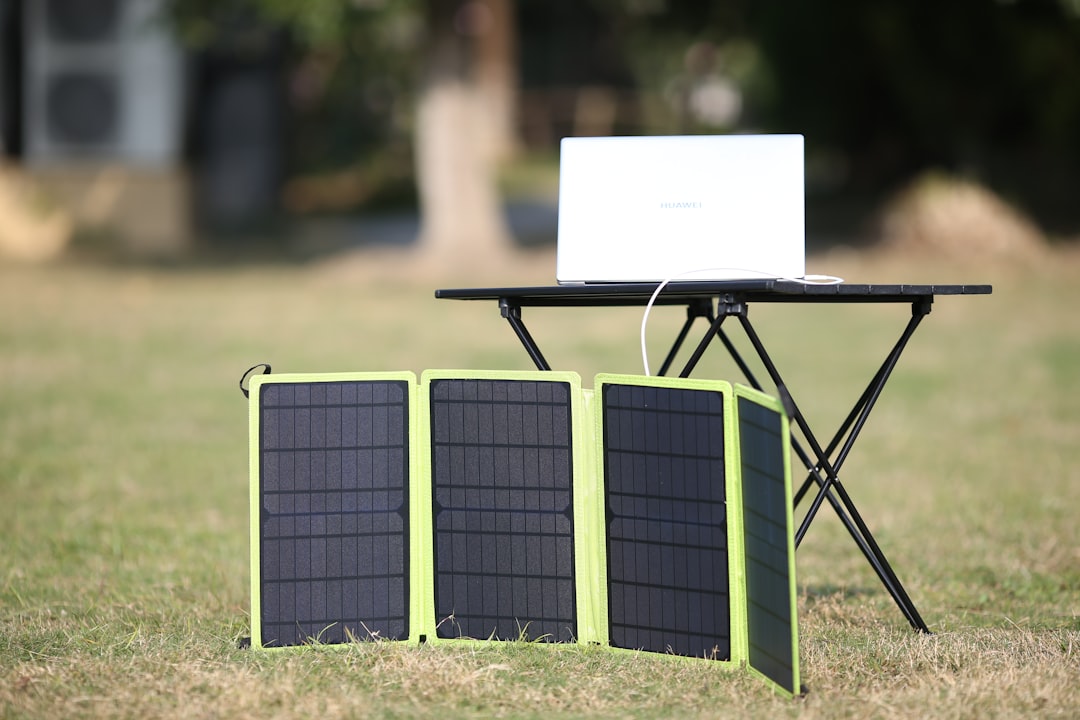
Whole-Home Battery Integration Explained
Whole-home battery integration is a defining feature of advanced home microgrid technology in Illinois. Unlike small backup batteries, these systems are designed to power most or all of a home.
What Whole-Home Batteries Can Power
- Lighting and outlets
- Refrigeration and kitchen appliances
- Heating and cooling systems
- Home offices and internet equipment
Battery capacity is customized based on household energy usage and backup goals.
Battery Technologies Common in Illinois
| Battery Type | Typical Use | Key Benefit |
|---|---|---|
| Lithium-ion | Whole-home backup | High efficiency and long lifespan |
| LFP (Lithium Iron Phosphate) | Microgrid storage | Improved safety and durability |
| Hybrid inverter systems | Solar + storage | Seamless grid and backup operation |
Most Illinois homeowners choose scalable battery systems that can grow with future energy needs.
How a Home Microgrid Operates Day to Day
One of the biggest advantages of home microgrid technology is that it requires minimal daily involvement from the homeowner.
Normal Grid-Connected Operation
- Solar powers the home during daylight hours
- Excess energy charges the batteries
- Additional power is exported or drawn from ComEd as needed
During a Power Outage
- The microgrid automatically disconnects from the grid
- Batteries and solar continue powering the home
- Smart controls prioritize essential loads
This transition happens in seconds, often without homeowners noticing.
Cost and Value of Home Microgrid Technology in Illinois
The cost of a home microgrid varies depending on system size, battery capacity, and level of smart integration.
Typical Investment Ranges
| System Component | Estimated Cost Range |
|---|---|
| Solar panels | $15,000 – $30,000 |
| Whole-home batteries | $12,000 – $35,000 |
| Microgrid controls | $5,000 – $10,000 |
While the upfront cost is significant, long-term value comes from:
- Lower monthly electricity bills
- Outage protection and peace of mind
- Increased home resale value
- Future readiness for EVs and electrification
Is Home Microgrid Technology Right for Your Illinois Home?
Home microgrids are especially well-suited for homeowners who:
- Experience frequent or costly outages
- Work from home or rely on medical equipment
- Plan to install or expand solar
- Want long-term energy independence
Even urban and suburban homes in ComEd territory can benefit when systems are designed correctly.
Frequently Asked Questions About Home Microgrid Technology in Illinois
What is home microgrid technology in Illinois?
Home microgrid technology in Illinois is a residential energy system that combines solar, batteries, and smart controls to power a home independently or alongside the utility grid.
Can home microgrids work with ComEd?
Yes, home microgrids ComEd customers install must meet interconnection requirements, but modern systems are designed to operate safely and efficiently with ComEd’s grid.
Does a home microgrid provide power during outages?
Yes, when properly designed with whole-home battery integration, a microgrid can continue powering your home during grid outages.
How does solar + smart home integration improve efficiency?
Solar + smart home integration allows the system to automatically optimize energy use, reduce peak costs, and manage loads without manual input.
Are home microgrids worth the cost in Illinois?
For many homeowners, the combination of energy savings, outage protection, and increased home value makes home microgrids a worthwhile long-term investment.
Take the Next Step Toward Energy Independence
Home microgrid technology in Illinois is no longer a future concept—it is a practical, proven solution for homeowners who want control, resilience, and smarter energy use. If you are ready to reduce reliance on the grid, protect your home from outages, and integrate solar and storage the right way, now is the time to explore a customized home microgrid solution.
Schedule a professional microgrid assessment today and start building a more resilient, energy-smart Illinois home.