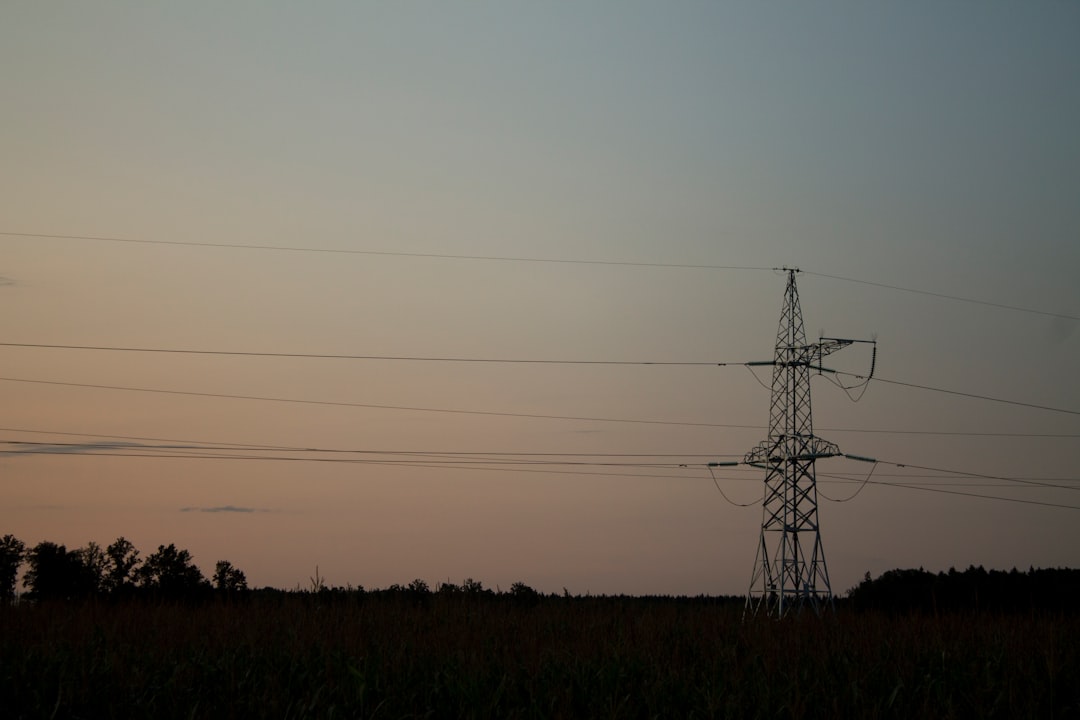

Power outages summer Illinois are most likely during extreme heat waves when electricity demand peaks and stresses aging grid infrastructure.
In Illinois, especially northern regions served by ComEd, outages are driven by high air-conditioning use, severe storms, and growing electric vehicle demand.
Understanding the causes, forecasts, and how to prepare can significantly reduce disruption for homes and businesses.
Why Summer Power Outages Happen in Illinois
Summer is the most challenging season for the Illinois power grid. Electricity demand rises sharply, while weather-related risks increase at the same time.
Utilities must balance generation, transmission, and local distribution under intense pressure.
- Extreme heat: Prolonged heat waves push air conditioners to run continuously.
- Severe storms: Thunderstorms and derechos damage lines and substations.
- Equipment stress: Transformers and cables overheat under heavy loads.
- Vegetation growth: Trees contacting power lines increase during summer.
Heat Wave Outages in Illinois: What Makes Them Different
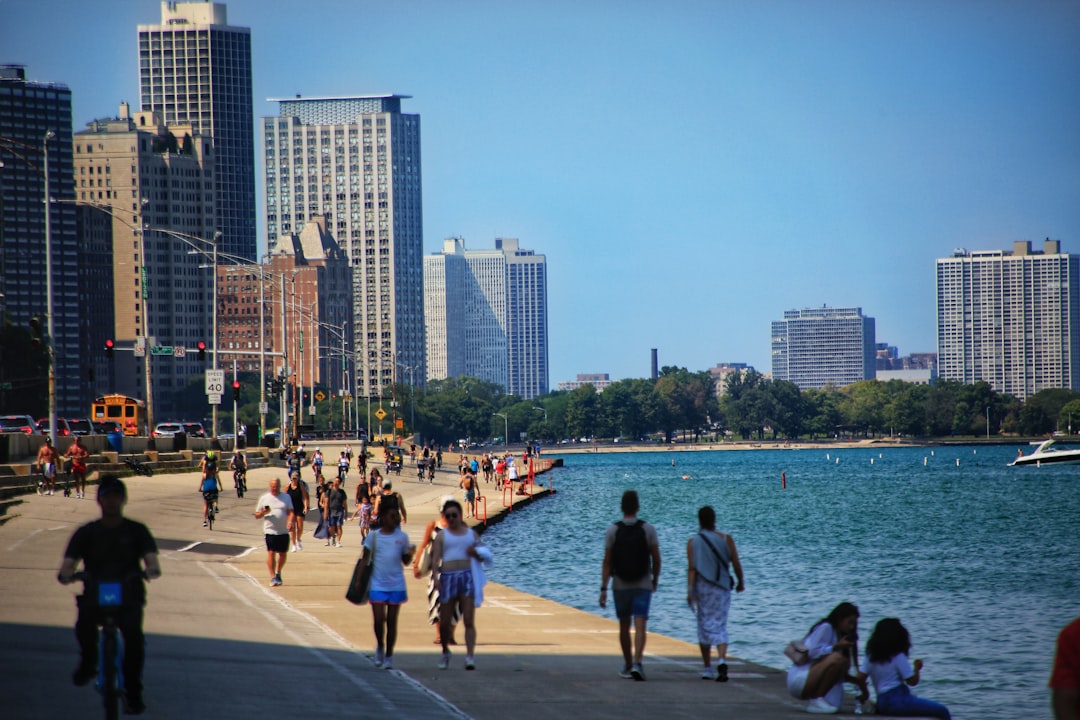
Heat wave outages Illinois residents experience are not always caused by storms. Many occur on clear, sunny days.
High temperatures reduce the efficiency of power lines and transformers, meaning they carry less electricity safely.
Urban vs. Rural Impact
Urban areas like Chicago often see localized outages due to overloaded neighborhood equipment.
Rural areas face longer restoration times because crews must cover more ground.
| Area Type | Primary Risk | Typical Outage Duration |
|---|---|---|
| Urban | Transformer overload | 1–4 hours |
| Suburban | Line faults, tree contact | 2–8 hours |
| Rural | Storm damage | 6–24+ hours |
Summer Load Forecast ComEd: What the Data Shows
The Summer load forecast ComEd releases each year provides insight into how close the grid may come to its limits.
These forecasts consider weather models, population growth, and technology adoption.
Key Forecast Drivers
- Peak temperature days: Consecutive days above 90°F
- Economic activity: Commercial cooling demand
- Distributed energy: Rooftop solar and battery use
- Electric vehicles: Charging behavior during evenings
ComEd has invested billions in grid modernization, yet peak summer demand continues to set new records.
EV Impact on Grid Illinois: A Growing Factor
The EV impact on grid Illinois utilities are planning for is no longer theoretical.
Electric vehicle adoption has accelerated, especially in suburban and urban areas.
How EVs Affect Summer Demand
Most EV owners charge at home after work, often during peak evening hours.
This coincides with high air-conditioning use, creating a double demand spike.
- Level 2 chargers: Add load equivalent to a second AC unit
- Unmanaged charging: Increases neighborhood transformer stress
- Smart charging: Can reduce outage risk if widely adopted
Utilities are piloting time-of-use rates to encourage off-peak charging.
How Utilities Try to Prevent Summer Outages
Illinois utilities use a combination of technology, planning, and emergency response.
Prevention is more cost-effective than restoration.
Key Prevention Strategies
- Grid hardening: Replacing older transformers and lines
- Vegetation management: Aggressive tree trimming programs
- Demand response: Incentives to reduce usage during peaks
- Real-time monitoring: Sensors that detect overheating equipment
What Residents Can Do to Reduce Risk
While utilities manage the grid, individual actions can lower outage risk.
Small changes across millions of customers make a measurable difference.
- Set thermostats a few degrees higher during peak hours
- Run major appliances early morning or late evening
- Charge EVs overnight if possible
- Report flickering lights or warm transformers
How to Prepare for Summer Power Outages
Preparation minimizes discomfort and safety risks during outages.
Illinois summers can be dangerous without power for cooling.
Home Preparedness Checklist
- Backup lighting: Flashlights and battery lanterns
- Cooling plan: Access to cooling centers or shaded areas
- Food safety: Know refrigerator time limits
- Medical needs: Backup power for essential devices
Long-Term Outlook for Illinois Summer Reliability
Climate trends suggest hotter summers and more intense storms.
At the same time, electrification is increasing demand.
The good news is that Illinois is investing heavily in:
- Smart grid technologies
- Energy storage and renewables
- Advanced forecasting and automation
Reliability will depend on continued investment and customer participation.
Frequently Asked Questions
Are summer power outages increasing in Illinois?
Yes. While grid improvements help, higher temperatures and demand are increasing outage risk.
What months have the highest outage risk?
July and August see the highest risk due to sustained heat waves.
Does ComEd have enough capacity for extreme heat?
Generally yes, but localized equipment can still fail under peak stress.
Do electric vehicles cause power outages?
EVs do not directly cause outages, but unmanaged charging can contribute to local overloads.
Take Action Before the Next Heat Wave
Power outages summer Illinois residents face are predictable, but their impact doesn’t have to be severe.
Stay informed, adjust energy use, and prepare your home now to stay safe and comfortable when temperatures soar.
Plan ahead today—before the next heat wave tests the grid.