
Smart Home Automation for Energy Savings
Smart home automation Illinois homeowners can reduce energy costs by 15–35% using connected thermostats, lighting controls, and energy automation routines tailored to Illinois weather and utility rates. By automating heating, cooling, lighting, and appliances, you gain real-time control, lower monthly bills, and improved comfort year-round.
This guide explains how home automation Illinois solutions work, which devices deliver the biggest savings, and how to start with scalable systems that fit Illinois homes and climates.
Why Smart Home Automation Saves Energy in Illinois
Illinois experiences hot summers, cold winters, and fluctuating energy demand. Smart automation adapts your home’s energy use to these conditions automatically, reducing waste without sacrificing comfort.
Unlike manual controls, automation reacts to occupancy, schedules, weather data, and utility pricing in real time.
- Weather-aware controls adjust HVAC settings during heat waves and cold snaps.
- Occupancy detection prevents heating or cooling empty rooms.
- Utility-rate optimization shifts usage to off-peak hours when possible.
- Remote management allows adjustments from anywhere.
Illinois-Specific Energy Challenges
Homes across Chicago, the suburbs, and downstate areas vary in age and insulation quality. Automation compensates for these differences by fine-tuning systems room by room.
| Challenge | Automation Solution | Energy Impact |
|---|---|---|
| Cold winters | Smart thermostats with geofencing | Lower heating costs |
| Hot, humid summers | Automated cooling schedules | Reduced AC runtime |
| Variable utility rates | Energy monitoring and alerts | Smarter usage decisions |
Core Components of Energy-Focused Home Automation
To maximize savings, focus on systems that directly control energy consumption. These components form the foundation of effective smart home automation Illinois setups.
Smart Thermostats
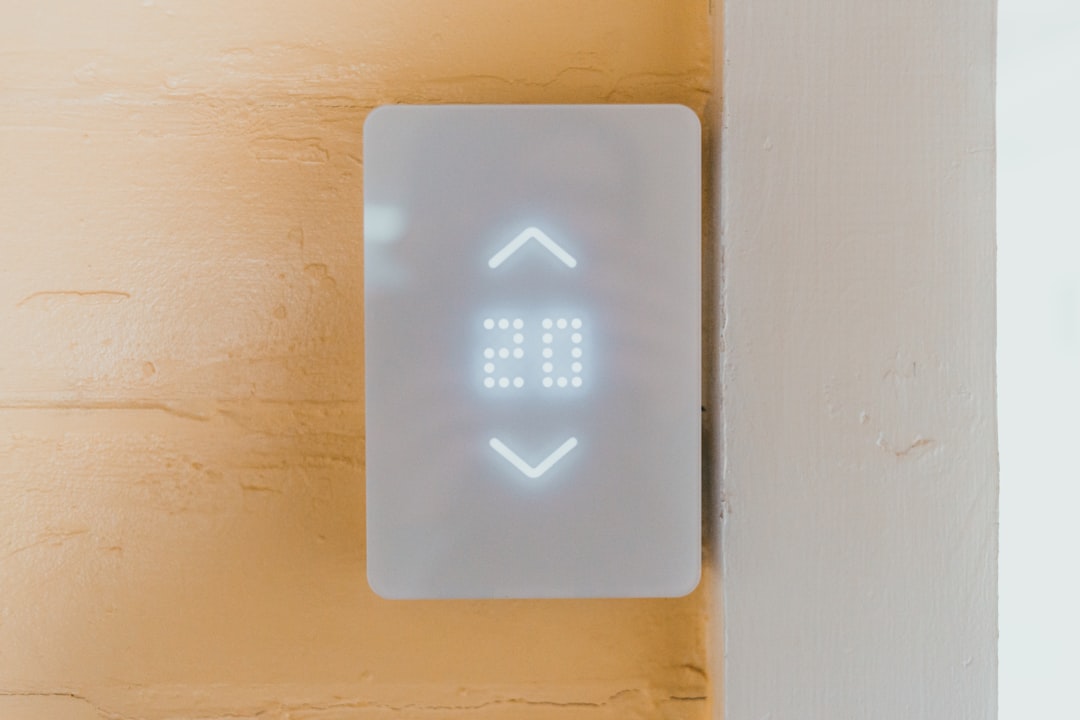
Smart thermostats learn your preferences and adapt automatically. They integrate with local weather data and occupancy sensors to avoid unnecessary heating and cooling.
- Adaptive scheduling based on daily routines
- Remote control via mobile apps
- Detailed energy reports
Intelligent Lighting Systems
Lighting automation reduces electricity use while improving convenience. Lights turn off automatically in unoccupied rooms and dim based on natural light levels.
- Motion-activated lighting
- Daylight harvesting
- Scene-based controls
Smart Plugs and Appliances
Many electronics draw power even when not in use. Smart plugs cut this “phantom load” and allow scheduling for high-energy appliances.
Energy Automation Routines That Deliver Real Savings
Energy automation routines are pre-set actions triggered by time, occupancy, or conditions. They remove guesswork and ensure consistent savings.
Common High-Impact Routines
- Away Mode: Reduces HVAC output, turns off lights, and disables non-essential devices.
- Sleep Mode: Optimizes temperature and dims lighting overnight.
- Peak Rate Reduction: Limits high-energy usage during peak utility hours.
- Seasonal Transitions: Automatically adjusts settings between heating and cooling seasons.
How Routines Adapt to Illinois Weather
Automation platforms integrate with local forecasts, adjusting HVAC behavior before temperature changes occur. This proactive approach prevents energy spikes and improves comfort.
Getting Started with Smart Home Starter Kits in Illinois
Smart home starter kits Illinois residents choose typically include essential devices that are easy to install and expand over time.
What a Starter Kit Usually Includes
- Smart thermostat
- Smart hub or controller
- Smart lighting or switches
- Mobile app access
Choosing the Right Kit for Your Home
Consider home size, age, and existing systems. Older homes may benefit from wireless solutions that avoid rewiring.
| Home Type | Recommended Focus |
|---|---|
| Apartment or condo | Lighting and thermostat automation |
| Single-family home | Whole-home energy routines |
| Older construction | Wireless, retrofit-friendly devices |
Professional Installation vs. DIY Automation
Both options can save energy, but professional design ensures systems are optimized for Illinois climate and utility structures.
DIY Benefits
- Lower upfront cost
- Quick installation
- Flexible expansion
Professional Automation Benefits
- Customized energy strategies
- Seamless integration
- Ongoing support and optimization

Monitoring and Measuring Energy Savings
Automation platforms provide dashboards that show real-time and historical energy use. This visibility encourages smarter habits and continuous improvement.
Illinois homeowners often see measurable reductions within the first billing cycle.
Key Metrics to Track
- Monthly energy consumption
- Peak vs. off-peak usage
- HVAC runtime
Future-Proofing Your Smart Home
Energy regulations and utility programs in Illinois continue to evolve. Scalable automation systems adapt easily to new incentives, devices, and energy sources.
Adding solar panels, battery storage, or electric vehicle chargers becomes simpler with an automation-ready home.
Frequently Asked Questions
How much can smart home automation reduce energy bills in Illinois?
Most Illinois homeowners see energy savings between 15% and 35%, depending on home size, automation scope, and usage habits.
Are smart home systems compatible with older Illinois homes?
Yes. Many systems are wireless and designed for retrofit installations, making them suitable for older construction.
Do smart home starter kits work with Illinois utility programs?
Many starter kits integrate with utility monitoring tools and can support demand-response programs where available.
Is professional installation necessary for energy automation routines?
Professional installation is not required, but it ensures routines are optimized for local climate patterns and utility rates.
Can automation work with renewable energy systems?
Yes. Smart home automation can coordinate with solar panels, batteries, and EV chargers to maximize efficiency.
Take Control of Your Energy Costs Today
Smart home automation is one of the most effective ways for Illinois homeowners to reduce energy bills, improve comfort, and future-proof their homes. Start with a smart home starter kit or consult a professional to design a customized energy automation strategy. Upgrade your home today and begin saving from the very first month.