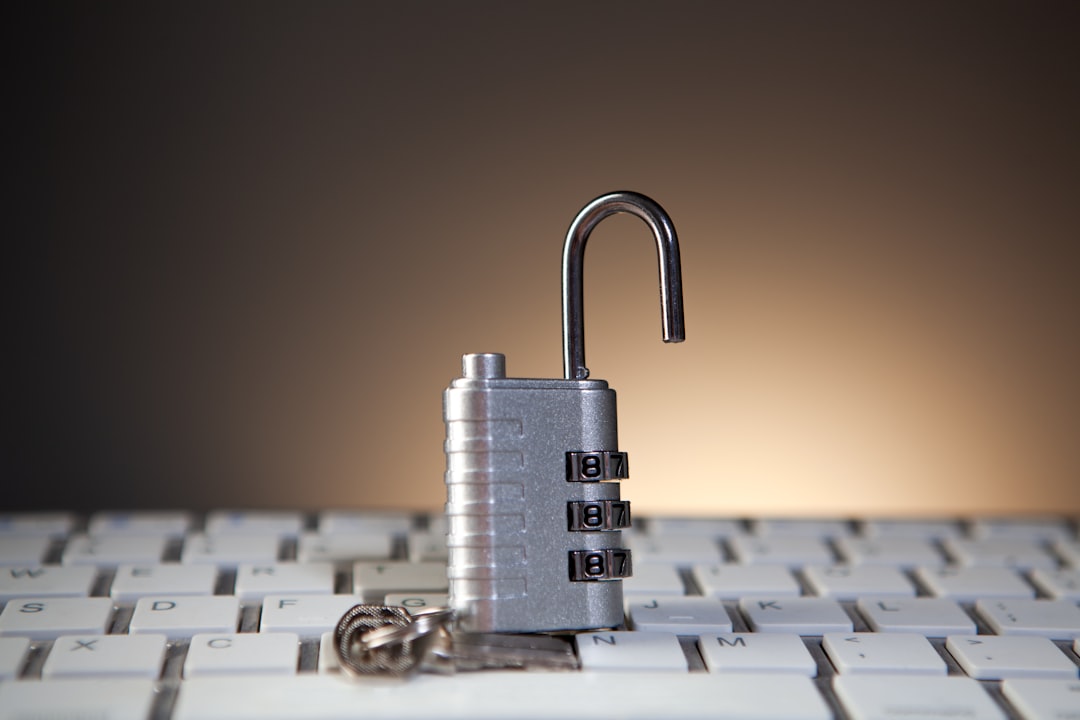

Smart home cybersecurity in Illinois focuses on protecting connected devices—like smart locks, cameras, thermostats, and voice assistants—from hacking, data theft, and privacy violations.
Illinois homeowners face unique risks due to increasing IoT adoption, strict state privacy laws, and a rise in cybercrime targeting residential networks.
The most effective protection combines secure device setup, network segmentation, strong data protection practices, and ongoing monitoring.
Smart Home Cybersecurity & Privacy: What Illinois Homeowners Need to Know
Smart homes deliver convenience, energy savings, and automation, but they also expand your digital attack surface. Every connected device is a potential entry point for cybercriminals if not properly secured.
For Illinois residents, smart home cybersecurity isn’t optional—it’s a critical part of protecting personal data, physical safety, and long-term privacy.

Why Smart Home Cybersecurity Matters in Illinois
Illinois consistently ranks among the top states for data privacy enforcement and consumer protection. While laws like the Biometric Information Privacy Act (BIPA) protect residents, homeowners are still responsible for securing their own devices.
Unsecured smart homes can expose sensitive data such as video feeds, voice recordings, location history, and biometric identifiers.
- Higher IoT adoption in urban and suburban Illinois homes
- Targeted cyberattacks against residential Wi-Fi networks
- Data privacy regulations that increase liability for mishandled data
- Remote access risks during harsh Midwest weather events
Common Smart Home Privacy Concerns
Smart home privacy concerns go beyond hacking. Many devices collect more data than homeowners realize, often sharing it with third parties.
Understanding what data is collected and how it’s used is the first step toward meaningful protection.
Key Privacy Risks to Watch For
- Always-on microphones in smart speakers
- Cloud-stored video from doorbells and security cameras
- Location tracking through smart thermostats
- Behavior profiling via usage patterns
- Weak default privacy settings
Illinois residents should pay special attention to devices that collect biometric or voice data, as misuse can have legal and financial consequences.
IoT Security in Illinois Homes
IoT security in Illinois requires a layered approach. Most attacks don’t involve advanced hacking—they exploit weak passwords, outdated firmware, or misconfigured networks.
Every smart device should be treated like a computer that needs regular maintenance.
Most Vulnerable Smart Home Devices
| Device Type | Primary Risk | Impact |
|---|---|---|
| Smart Cameras | Unauthorized remote access | Privacy invasion, stalking |
| Smart Locks | Credential theft | Physical home intrusion |
| Voice Assistants | Data harvesting | Personal data leakage |
| Smart TVs | Malware infections | Network compromise |
| Thermostats | Behavior tracking | Occupancy exposure |
Data Protection for Smart Devices
Data protection for smart devices is about controlling how information is stored, transmitted, and accessed.
Illinois homeowners should assume that any cloud-connected device stores data offsite and take steps to minimize exposure.
Best Practices for Data Protection
- Enable encryption on all supported devices
- Limit data retention in device settings
- Review privacy policies before purchasing
- Disable unnecessary features like continuous recording
- Use local storage when available
Devices that support local processing and storage significantly reduce long-term privacy risks.
Step-by-Step: Securing Your Smart Home Network
A secure smart home starts with a hardened network foundation. Follow these steps to reduce your exposure.
- Change default router credentials immediately
- Create a separate IoT network or VLAN
- Use WPA3 encryption on Wi-Fi
- Enable automatic firmware updates
- Disable UPnP unless absolutely required
- Install a firewall or advanced router security
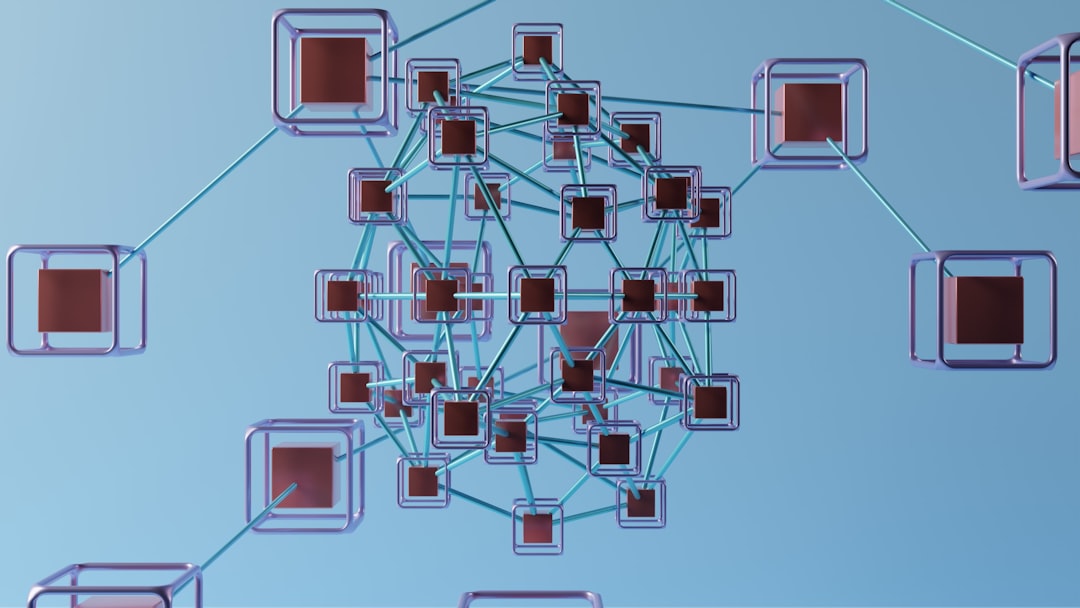
Segmenting IoT devices ensures that a compromised smart bulb doesn’t expose your personal computer or work devices.
Illinois Laws and Smart Home Privacy
Illinois is one of the strictest states when it comes to consumer data protection. While most laws apply to businesses, homeowners must still understand how their data is handled.
Relevant Illinois Privacy Regulations
- BIPA – Governs biometric data collection
- Illinois Personal Information Protection Act
- Consumer Fraud and Deceptive Business Practices Act
If a smart device mishandles biometric or personal data, the homeowner may need to take action against the provider or discontinue use.
Choosing Secure Smart Home Devices
Not all smart devices are built with security in mind. Choosing reputable manufacturers reduces long-term risk.
What to Look for Before Buying
- Regular security updates and patch history
- Transparent privacy policies
- Two-factor authentication support
- Local control options
- Strong encryption standards
Avoid unknown brands that lack long-term update commitments, even if they’re cheaper.
Ongoing Monitoring and Maintenance
Smart home cybersecurity is not a one-time setup. Continuous monitoring ensures new vulnerabilities don’t go unnoticed.
- Review connected devices quarterly
- Remove unused or outdated devices
- Monitor network traffic for anomalies
- Audit privacy settings after updates
Many Illinois homeowners choose managed security solutions for added peace of mind.
Frequently Asked Questions
Is smart home cybersecurity really necessary in Illinois?
Yes. Illinois homeowners face increasing cyber threats and strict privacy regulations. Securing smart devices reduces data theft, unauthorized access, and potential legal issues.
What are the biggest smart home privacy concerns?
The main concerns include constant data collection, cloud storage vulnerabilities, third-party data sharing, and weak default privacy settings.
How can I improve IoT security in Illinois?
Use strong passwords, separate IoT networks, enable encryption, keep firmware updated, and choose devices with proven security records.
Do smart devices violate Illinois privacy laws?
Most devices are legal, but misuse of biometric or personal data may violate Illinois laws depending on how data is collected, stored, and shared.
What is the best way to protect data on smart devices?
Limit data collection, use local storage when possible, enable encryption, and regularly review device privacy settings.
Take Control of Your Smart Home Security Today
Smart homes should make life easier—not riskier. By prioritizing smart home cybersecurity in Illinois, addressing privacy concerns, and implementing strong data protection practices, you safeguard your home, your family, and your digital future.
Start securing your smart home today—before vulnerabilities become breaches.