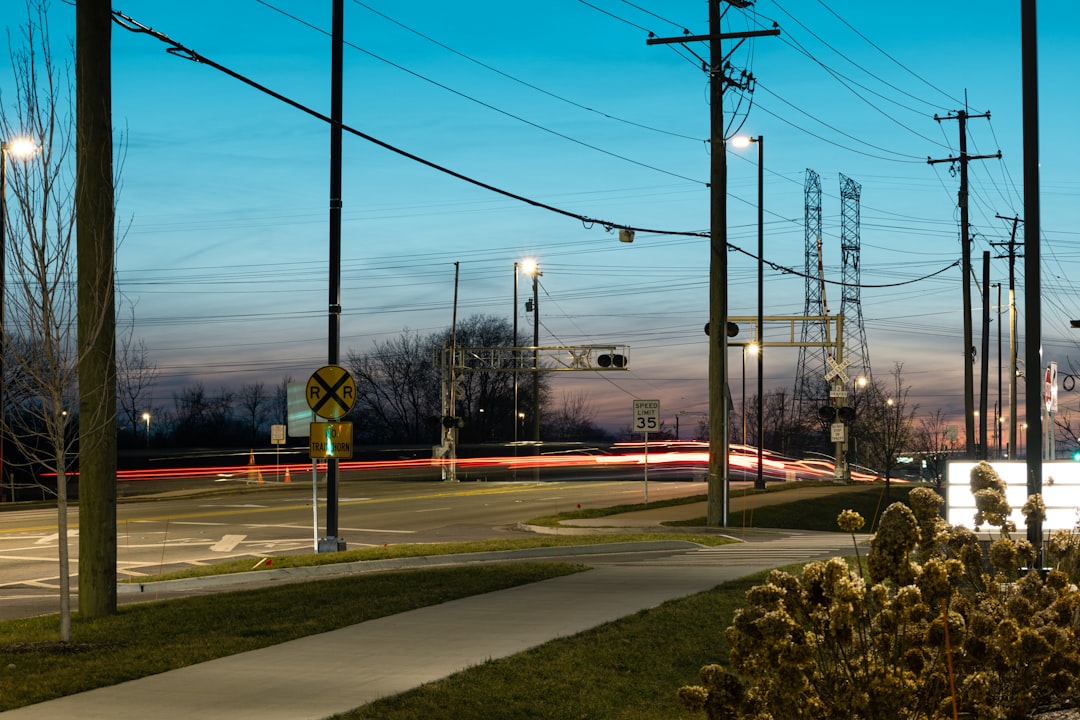

Illinois power grid reliability is among the strongest in the Midwest, driven by utility investments, grid modernization, and strict performance standards. Most Illinois customers—especially those served by ComEd—experience relatively short and infrequent power outages compared to national averages. Reliability is measured using standardized metrics like SAIFI and CAIDI, which show steady improvement across the state.
This guide explains how reliable the Illinois power grid really is, how it’s measured, and what residents and businesses can expect moving forward.
What Is Illinois Power Grid Reliability?
Illinois power grid reliability refers to the ability of the state’s electrical system to consistently deliver electricity without interruptions. It measures how often outages occur, how long they last, and how quickly utilities restore service.
Reliability matters because even short outages can disrupt businesses, healthcare, transportation, and daily life. Illinois regulates its utilities tightly, making reliability a top priority.
Key Factors That Affect Grid Reliability
- Infrastructure age: Older lines and substations are more failure-prone.
- Weather exposure: Severe storms, heat waves, and ice events drive outages.
- Utility investment: Spending on automation and maintenance improves performance.
- Vegetation management: Tree trimming reduces storm-related outages.
- Grid design: Redundant circuits limit customer impact.
Who Manages the Illinois Power Grid?
Illinois does not have a single power grid operator. Instead, reliability is shared across multiple entities:
- ComEd: Serves northern Illinois, including Chicago.
- Ameren Illinois: Covers central and southern regions.
- PJM Interconnection: Oversees grid operations and transmission planning.
- Illinois Commerce Commission (ICC): Regulates utility performance.
Among these, Power reliability ComEd metrics are often cited as industry-leading due to advanced grid automation.
How Illinois Measures Power Grid Reliability
Utilities in Illinois use nationally recognized reliability indices. These metrics allow apples-to-apples comparison with other states.
Core Reliability Metrics Explained
| Metric | What It Measures | Why It Matters |
|---|---|---|
| SAIFI | Average number of outages per customer per year | Shows outage frequency |
| CAIDI | Average time to restore power | Shows restoration speed |
| SAIDI | Total outage minutes per customer | Overall customer impact |
SAIFI Illinois: How Often Do Outages Happen?
SAIFI Illinois typically ranges between 0.7 and 1.1 outages per customer annually, depending on region and weather conditions. This means most customers experience fewer than one outage per year.
Urban areas served by ComEd often report even lower SAIFI values due to network redundancy.
CAIDI Illinois: How Fast Is Power Restored?
CAIDI Illinois averages between 90 and 120 minutes, meaning power is usually restored within two hours after an outage occurs.
This is significantly better than the U.S. average, which often exceeds 150 minutes.
Power Reliability ComEd: A Closer Look
Power reliability ComEd is frequently ranked among the best in the nation for large utilities. Since the early 2010s, ComEd has invested billions in grid modernization.
ComEd Reliability Improvements
- Automated switching to reroute power instantly
- Smart meters for faster outage detection
- Hardened substations against flooding
- Expanded tree-trimming programs
These efforts reduced outage frequency by more than 70% in some areas compared to pre-modernization levels.
How Illinois Compares to Other States
Illinois consistently outperforms many neighboring states in reliability benchmarks.
| State | Avg SAIFI | Avg CAIDI (Minutes) |
|---|---|---|
| Illinois | 0.9 | 105 |
| Indiana | 1.2 | 135 |
| Michigan | 1.4 | 160 |
| Ohio | 1.1 | 140 |
This performance makes Illinois attractive for data centers, manufacturers, and mission-critical facilities.
Urban vs. Rural Grid Reliability in Illinois
Reliability varies across the state due to population density and infrastructure layout.
Urban Areas
- Shorter outages due to network loops
- Faster crew response times
- Higher automation levels
Rural Areas
- Longer restoration times
- Greater exposure to weather
- Fewer alternate power paths
Despite these differences, statewide standards ensure acceptable reliability everywhere.
Weather and Its Impact on Illinois Power Grid Reliability
Severe weather is the largest threat to Illinois power grid reliability. Thunderstorms, derechos, ice storms, and heat waves all stress the system.
How Utilities Mitigate Weather Risks
- Proactive vegetation management
- Storm hardening of critical assets
- Pre-staged repair crews
- Real-time grid monitoring
These strategies have significantly reduced storm-related outages over the past decade.
Grid Modernization and the Future of Reliability
Illinois continues to invest in technologies that improve reliability and resilience.
Key Technologies Being Deployed
- Advanced Distribution Management Systems (ADMS)
- Distributed energy resources integration
- Battery storage
- Microgrids for critical facilities
These upgrades allow faster fault isolation and recovery, even during extreme conditions.
What Customers Can Do to Improve Reliability
While utilities manage the grid, customers can also reduce outage impacts.
- Install surge protection devices
- Maintain backup power for essential loads
- Report outages promptly
- Trim trees near service lines (with utility approval)
Frequently Asked Questions About Illinois Power Grid Reliability
How reliable is the Illinois power grid compared to the national average?
Illinois consistently performs better than the U.S. average, with fewer outages and faster restoration times.
What does SAIFI Illinois tell me as a customer?
SAIFI Illinois shows how often outages occur. A lower number means fewer power interruptions.
Is ComEd more reliable than other Illinois utilities?
Yes, Power reliability ComEd metrics are among the best due to extensive grid automation investments.
How long do outages usually last in Illinois?
Based on CAIDI Illinois data, most outages are resolved within one to two hours.
Will renewable energy reduce grid reliability?
No. When properly integrated, renewables combined with storage can improve overall grid resilience.
Final Thoughts on Illinois Power Grid Reliability
Illinois power grid reliability is strong, improving, and well-positioned for the future. With leading metrics in SAIFI and CAIDI, aggressive modernization, and strict regulatory oversight, Illinois delivers dependable electricity to millions of customers.
Want to better protect your home or business from outages? Explore backup power solutions, stay informed on utility upgrades, and take proactive steps today to stay powered no matter what.