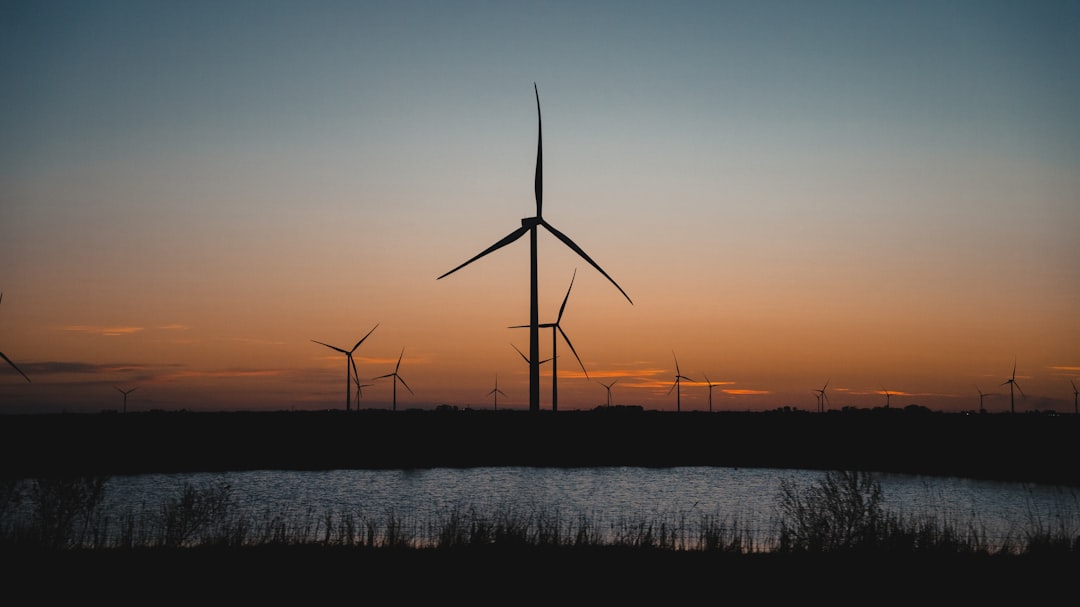

Renewable integration on the Illinois grid is already underway, with wind, solar, storage, and electric vehicles reshaping how power is generated, delivered, and balanced across the state. Illinois utilities and grid operators are actively modernizing infrastructure, updating market rules, and deploying advanced controls to integrate renewables while maintaining reliability and affordability.
In practical terms, Illinois can support higher levels of clean energy by strengthening transmission, enabling flexible demand, and coordinating distributed resources at scale.
Understanding Renewable Integration on the Illinois Grid
Renewable integration grid Illinois refers to the process of connecting and operating renewable energy sources—such as wind, solar, and energy storage—within the state’s electric power system. Illinois sits within the PJM Interconnection and MISO regions, making coordination across state and regional boundaries essential.
Unlike traditional power plants, renewables are variable and weather-dependent. Integrating them successfully requires grid visibility, fast-response resources, and market designs that reward flexibility.
Key Characteristics of the Illinois Grid
- Diverse generation mix including nuclear, wind, solar, natural gas, and coal
- High wind penetration in central and northern Illinois
- Rapid growth in distributed solar, especially in suburban and rural areas
- Increasing electrification from electric vehicles and heat pumps
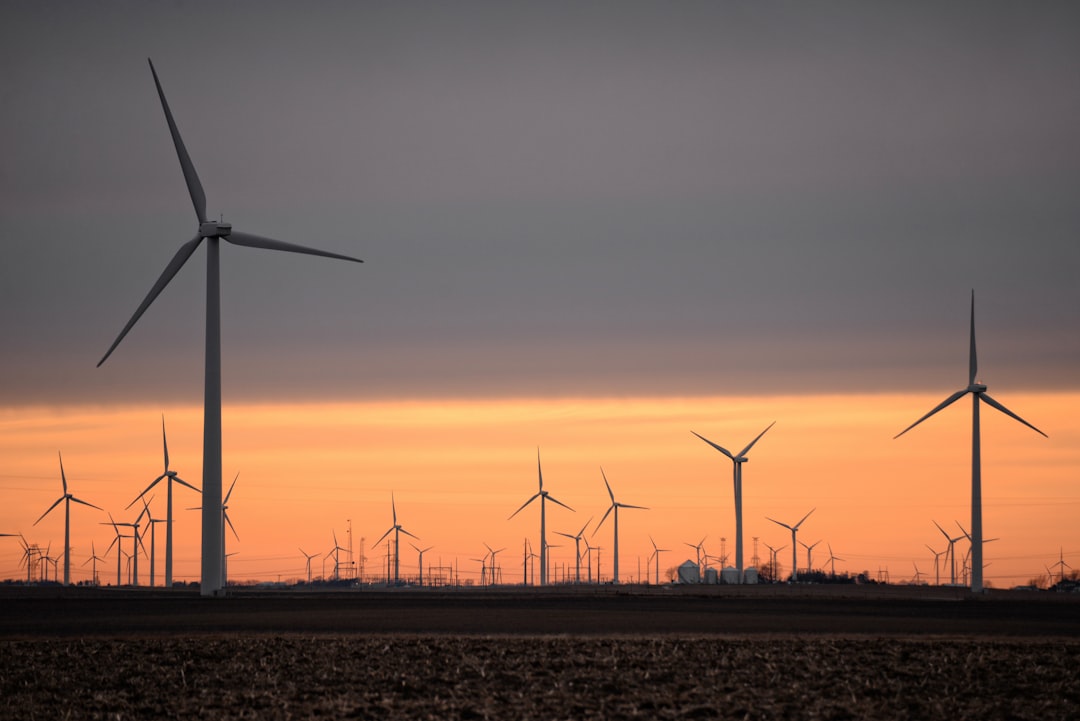
Why Renewable Integration Matters in Illinois
Illinois has ambitious clean energy goals under the Climate and Equitable Jobs Act (CEJA), targeting 100% clean energy by 2050. Achieving these targets depends not just on building renewables, but on integrating them efficiently into the grid.
Poor integration can lead to congestion, curtailment, or reliability risks. Effective integration lowers system costs, reduces emissions, and supports local economic development.
Primary Benefits
- Lower wholesale electricity prices during high renewable output
- Reduced carbon and particulate emissions
- Improved resilience through decentralized energy resources
- Job creation in construction, operations, and technology services
Distributed Generation Grid Impact in Illinois
The Distributed generation grid impact is one of the most significant shifts facing Illinois utilities. Distributed energy resources (DERs) include rooftop solar, community solar, small wind, battery storage, and combined heat and power systems.
These resources generate electricity close to where it is used, reducing transmission losses but increasing operational complexity.
Positive Impacts of Distributed Generation
- Deferred investments in large transmission projects
- Improved local voltage support when properly managed
- Enhanced customer energy independence
Operational Challenges
- Two-way power flows on distribution feeders
- Voltage fluctuations during high solar output
- Limited visibility for utilities without advanced monitoring
Illinois utilities are responding with advanced inverters, hosting capacity analysis, and distribution management systems (DMS) that allow DERs to support grid operations rather than disrupt them.
Solar Grid Impact Illinois: From Net Metering to Grid Services
The Solar grid impact Illinois has grown rapidly due to strong policy support and declining costs. Community solar programs have expanded access beyond single-family homes, accelerating adoption.
While solar generation reduces midday demand on the grid, it also introduces steep ramps in the evening when production drops and demand rises.
How Illinois Manages Solar Impacts
- Time-varying rates to encourage load shifting
- Battery pairing with solar to smooth output
- Smart inverter standards for voltage and frequency support
Over time, solar resources are expected to provide not just energy, but also ancillary services traditionally supplied by conventional power plants.
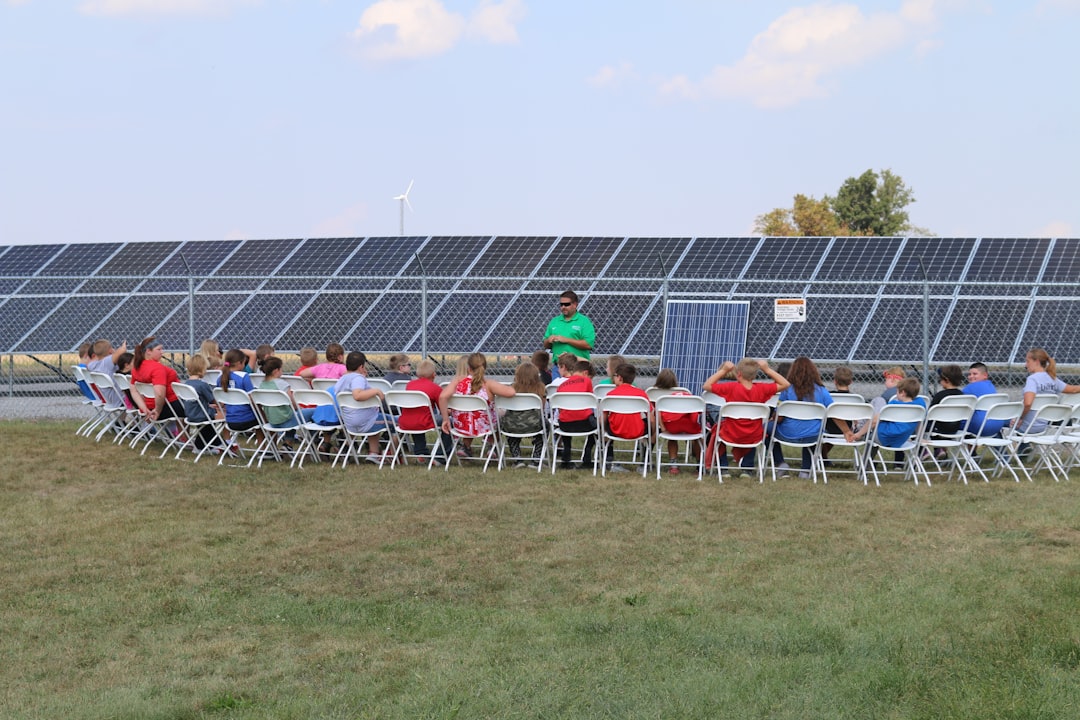
EV Impact on Grid Illinois
The EV impact on grid Illinois is emerging as both a challenge and an opportunity. Electric vehicles increase electricity demand, particularly at the distribution level, but they also represent a highly flexible load.
Unmanaged EV charging can stress local transformers and feeders, especially during evening peak hours.
Grid-Friendly EV Integration Strategies
- Managed charging programs that shift charging to off-peak hours
- Time-of-use pricing to align customer behavior with grid needs
- Vehicle-to-grid (V2G) pilots that allow EVs to export power
Illinois utilities are increasingly viewing EVs as mobile energy assets that can support renewable integration rather than hinder it.
Transmission and Market Coordination
Large-scale renewable integration depends heavily on transmission expansion. Many of Illinois’ wind and solar resources are located far from population centers, requiring new or upgraded lines.
Regional planning through PJM and MISO is critical to ensure projects deliver benefits across state lines.
Key Transmission Priorities
- Reducing congestion between renewable-rich zones and load centers
- Improving interconnection timelines for new projects
- Enhancing grid resilience against extreme weather
Technology Enablers for Renewable Integration
Advanced technologies are making renewable integration more predictable and controllable across Illinois.
| Technology | Primary Function | Grid Benefit |
|---|---|---|
| Battery Energy Storage | Energy shifting and fast response | Reduces curtailment and peak demand |
| Advanced Inverters | Voltage and frequency control | Improves distribution stability |
| Advanced Metering Infrastructure | Real-time data collection | Enables dynamic pricing and demand response |
| Grid Automation | Fault detection and isolation | Improves reliability and restoration times |
Policy and Regulatory Landscape in Illinois
State policy plays a defining role in how quickly and effectively renewables are integrated. CEJA provides long-term certainty for clean energy investments while emphasizing equity and workforce development.
Regulators are also updating interconnection rules and performance-based metrics to align utility incentives with renewable integration outcomes.
Regulatory Focus Areas
- Faster and more transparent interconnection processes
- Incentives for non-wires alternatives
- Consumer protections and equitable access to clean energy
Future Outlook for Renewable Integration Grid Illinois
Over the next decade, Illinois is expected to see continued growth in wind, solar, storage, and electric vehicles. The grid will become more decentralized, digital, and interactive.
Success will depend on proactive planning, customer engagement, and close coordination between utilities, regulators, and technology providers.
Frequently Asked Questions
How much renewable energy can the Illinois grid handle?
The Illinois grid can handle significantly more renewable energy with targeted transmission upgrades, energy storage deployment, and advanced grid controls.
What is the biggest challenge of renewable integration in Illinois?
The biggest challenge is balancing variable renewable generation with real-time demand while maintaining reliability across both transmission and distribution systems.
How does distributed generation affect grid reliability?
Distributed generation can improve reliability when properly managed, but it requires advanced monitoring and control to avoid voltage and protection issues.
Will electric vehicles overload the Illinois grid?
Electric vehicles will not overload the grid if managed charging, time-of-use rates, and infrastructure planning are implemented effectively.
Does solar power reduce electricity costs in Illinois?
Solar power can reduce wholesale electricity prices and customer bills, especially when paired with storage and supportive rate designs.
Take the Next Step
If you are planning renewable projects, EV infrastructure, or grid modernization efforts in Illinois, now is the time to align with best practices for integration. Engage with utilities, regulators, and technology partners to ensure your investments strengthen the grid while accelerating the clean energy transition.