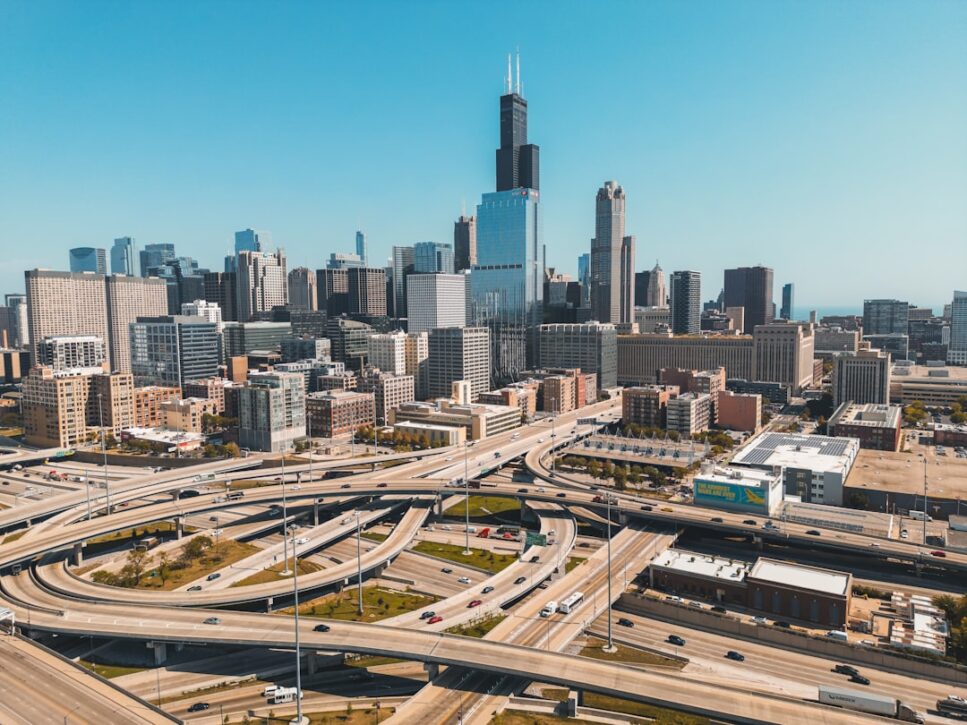

Next-gen grid technology in Illinois is transforming how electricity is generated, distributed, and managed across the state. Illinois utilities are deploying smart grid tech, advanced grid automation, and future energy systems to improve reliability, reduce outages, and integrate renewable energy at scale. These upgrades directly benefit consumers through improved resilience, cost efficiency, and cleaner power.
This article explains what next-generation grid technology means in Illinois, how it works today, and why it matters for households, businesses, and policymakers.
What Is Next-Generation Grid Technology in Illinois?
Next-gen grid technology in Illinois refers to a modernized electric grid that uses digital communications, real-time data, and automated controls to manage electricity more intelligently. Unlike the traditional one-way grid, next-generation systems support two-way power and information flow.
This shift enables utilities to respond instantly to changing demand, detect problems before outages occur, and integrate distributed energy resources such as solar, wind, and battery storage.
- Smart grid tech for real-time monitoring and control
- Grid automation to isolate faults and restore service faster
- Future energy systems that support clean and distributed power
- Customer-facing tools for energy usage insights
Why Illinois Is Investing in Smart Grid Tech
Illinois is a national leader in grid modernization due to its combination of urban density, industrial demand, and ambitious clean energy policies. Utilities such as ComEd and Ameren Illinois are investing billions in smart grid tech to meet these challenges.
The state’s Climate and Equitable Jobs Act (CEJA) accelerates adoption of advanced grid solutions to support decarbonization while maintaining reliability.
Key Drivers Behind Grid Modernization
- Increasing renewable energy adoption across Illinois
- Aging grid infrastructure requiring upgrades
- Rising electric vehicle (EV) charging demand
- Need for improved outage management during extreme weather
Core Components of Next-Gen Grid Technology
Next-generation grid technology is not a single system but a combination of integrated tools and platforms. In Illinois, utilities are deploying these components in phases.
1. Advanced Metering Infrastructure (AMI)
AMI, commonly known as smart meters, provides real-time energy usage data to both utilities and customers. Illinois has one of the highest smart meter penetration rates in the Midwest.
- Supports time-of-use pricing
- Eliminates estimated billing
- Enables faster outage detection
2. Distribution Automation
Grid automation uses sensors, reclosers, and automated switches to manage power flows without manual intervention.
This technology allows utilities to isolate faults and reroute power automatically, often restoring service in seconds.
3. Grid Edge Intelligence
Grid edge technologies include devices and software located close to customers, such as smart inverters and local controllers.
These tools support two-way communication and make the grid more responsive to local conditions.
4. Advanced Energy Management Systems (EMS)
Modern EMS platforms analyze massive amounts of grid data in real time. Illinois utilities use these systems to forecast demand, balance loads, and coordinate distributed energy resources.
How Grid Automation Improves Reliability in Illinois
Reliability is one of the most visible benefits of next-gen grid technology in Illinois. Automated systems significantly reduce both the frequency and duration of power outages.
Instead of waiting for customer calls, utilities receive instant alerts when anomalies occur.
- Sensors detect voltage or frequency irregularities
- Automated switches isolate the affected section
- Power is rerouted to unaffected areas
- Repair crews receive precise fault location data
| Grid Feature | Traditional Grid | Next-Gen Grid in Illinois |
|---|---|---|
| Outage Detection | Customer-reported | Automated, real-time |
| Restoration Time | Hours | Minutes or seconds |
| Renewable Integration | Limited | High capacity |
Supporting Renewable Energy and Future Energy Systems
Illinois’ clean energy goals require a grid capable of managing variable generation sources. Future energy systems depend on a flexible and intelligent grid.
Next-gen grid technology enables higher penetration of solar and wind without compromising stability.
Distributed Energy Resources (DERs)
- Rooftop and community solar installations
- Battery energy storage systems
- Electric vehicles and charging infrastructure
By coordinating these resources, Illinois can reduce peak demand and lower overall system costs.
Consumer Benefits of Next-Gen Grid Technology
Modern grid systems are not just utility upgrades; they directly benefit Illinois residents and businesses.
Customers gain greater control over their energy use and costs.
- Access to detailed energy usage data
- Opportunities to save with time-based rates
- Improved power quality for sensitive equipment
- Faster outage notifications and updates
Cybersecurity and Data Privacy Considerations
As the grid becomes more digital, cybersecurity is a top priority. Illinois utilities follow strict federal and state standards to protect grid infrastructure and customer data.
Advanced encryption, network segmentation, and continuous monitoring are standard practices.
Key Security Measures
- Compliance with NERC CIP standards
- Real-time threat detection systems
- Regular penetration testing and audits
Economic and Workforce Impact in Illinois
Investments in next-gen grid technology in Illinois also drive economic growth. Grid modernization creates skilled jobs in engineering, IT, construction, and data analytics.
Training programs supported by CEJA ensure a diverse and future-ready energy workforce.
Challenges and Limitations to Consider
While the benefits are substantial, grid modernization is complex. Utilities and regulators must balance cost, equity, and reliability.
- Upfront infrastructure investment
- Interoperability between legacy and new systems
- Ensuring equitable access to benefits
Illinois continues to address these challenges through phased implementation and stakeholder engagement.
What the Future Holds for Illinois’ Electric Grid
The future of energy in Illinois is increasingly digital, decentralized, and customer-centric. Ongoing advancements in artificial intelligence and predictive analytics will further enhance grid performance.
As future energy systems mature, Illinois is positioned to remain a leader in smart grid innovation.
Frequently Asked Questions
What is next-gen grid technology in Illinois?
Next-gen grid technology in Illinois refers to advanced electric grid systems that use digital communication, automation, and real-time data to improve reliability, efficiency, and renewable energy integration.
How does smart grid tech benefit Illinois consumers?
Smart grid tech provides customers with real-time energy usage data, faster outage restoration, improved power quality, and opportunities to reduce costs through time-based pricing.
Is grid automation already deployed across Illinois?
Yes, grid automation is widely deployed in Illinois, especially in urban and suburban areas, with ongoing expansion into rural regions.
How does next-gen grid technology support renewable energy?
Next-gen grid technology enables two-way power flow, real-time balancing, and coordination of distributed energy resources, making it easier to integrate solar, wind, and storage.
Are there cybersecurity risks with smart grids?
While digital grids introduce new risks, Illinois utilities implement strong cybersecurity measures, including encryption, monitoring, and compliance with federal standards.
Ready to prepare for the future of energy? Stay informed, engage with utility programs, and explore how next-gen grid technology in Illinois can help you save money, improve reliability, and support a cleaner energy future.