
BLUF: EV charger installation in Illinois typically requires an electrical permit, compliance with local wiring codes, and a final safety inspection. Costs usually range from $900 to $2,500+ depending on charger type, panel capacity, and labor, with additional incentives available through utilities like ComEd.
Homeowners and businesses must follow Illinois electrical code, obtain EV charger permits in Illinois where required, and ensure the charger is utility-compatible to qualify for rebates.
EV Charger Installation in Illinois: What You Need to Know
As electric vehicle ownership grows, EV charger installation in Illinois has become a common home and commercial upgrade. While the process is straightforward, it involves more than mounting a charger to the wall. Permits, electrical capacity, utility requirements, and safety inspections all play a role in determining cost and timeline.
This guide explains the full process clearly, so you can budget accurately, avoid code violations, and install a charger that works seamlessly with your vehicle and utility provider.
Permit Requirements for EV Charger Installation in Illinois
EV charger permits in Illinois are generally required for any Level 2 charger installation. Permits ensure that electrical work complies with state and local safety codes.
When a Permit Is Required
- Installing a Level 2 (240V) EV charger
- Upgrading or modifying an electrical panel
- Running new dedicated circuits or conduit
- Installing chargers in multi-family or commercial properties
Level 1 chargers that plug into standard outlets typically do not require permits, but they are slow and often not practical for daily charging.
Who Issues EV Charger Permits?
Permits are issued by the local city or county building department, not the State of Illinois. Requirements and fees vary by jurisdiction.
| Area | Permit Authority | Typical Fee |
|---|---|---|
| Chicago | Department of Buildings | $50–$150 |
| Suburban Cook County | Municipal Building Dept. | $75–$200 |
| Downstate Illinois | County or City Office | $50–$125 |
Licensed electricians usually handle permit applications on your behalf.
EV Charger Wiring Requirements in Illinois
EV charger wiring requirements are governed by the National Electrical Code (NEC) as adopted by Illinois, along with local amendments.
Key Electrical Requirements
- Dedicated circuit sized for the charger’s amperage
- 240-volt service for Level 2 chargers
- Proper grounding and bonding
- GFCI protection where required
- Correct wire gauge (typically 6–10 AWG)
Improper wiring is the leading cause of failed inspections and charger malfunctions. Illinois inspectors pay close attention to load calculations and breaker sizing.
Electrical Panel Capacity Considerations
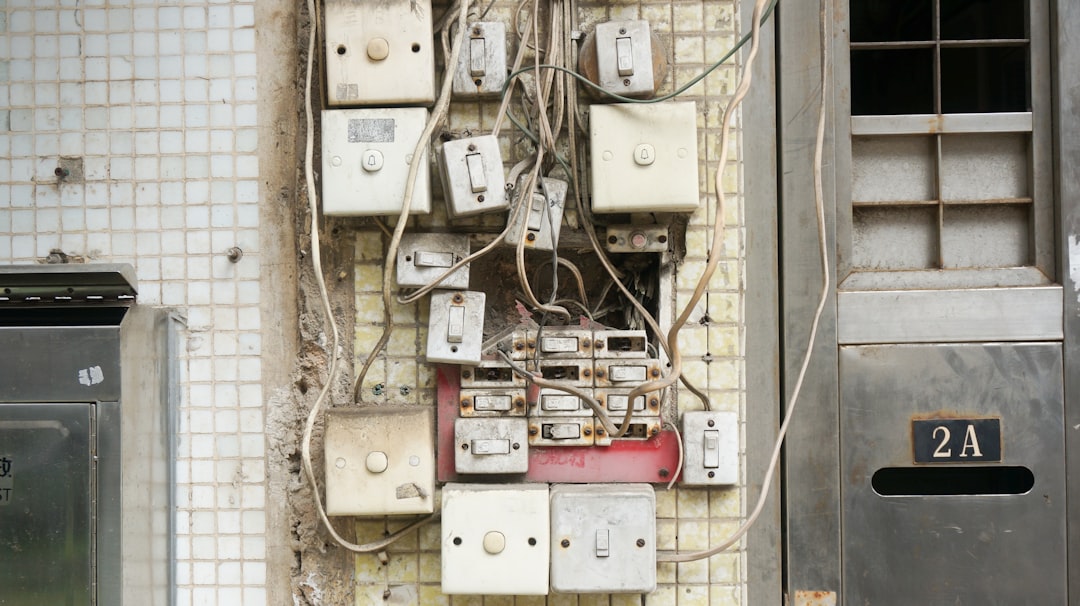
Many older Illinois homes have 100-amp panels, which may not support EV charging without upgrades.
- 100-amp panels may require load management or upgrades
- 200-amp panels usually support Level 2 chargers easily
- Smart chargers can reduce the need for panel upgrades
Panel upgrades can add $1,500–$4,000 to the project cost but improve long-term safety and resale value.
ComEd EV Compatible Chargers and Utility Programs
To qualify for rebates and time-of-use rates, homeowners must install ComEd EV compatible chargers.
What Makes a Charger ComEd-Compatible?
- Wi-Fi or network connectivity
- Ability to report charging data
- Listed on ComEd’s approved charger list
Popular compatible brands include ChargePoint, JuiceBox, Wallbox, and Tesla (with specific models).
ComEd Incentives and Rebates
| Incentive Type | Amount | Requirements |
|---|---|---|
| Residential Charger Rebate | Up to $3,750 | Approved charger + licensed electrician |
| Time-of-Use Rates | Variable savings | Smart charger enrollment |
Programs change annually, so confirm eligibility before purchasing equipment.
EV Charger Safety Inspection Process
An EV charger safety inspection is required after installation when a permit is pulled.
What Inspectors Check
- Permit documentation
- Breaker size and labeling
- Wire gauge and conduit
- Grounding and GFCI protection
- Charger mounting and accessibility
Most inspections take less than 30 minutes. Failed inspections usually result from improper breaker sizing or missing GFCI protection.
Cost of EV Charger Installation in Illinois
The total cost of EV charger installation in Illinois depends on electrical complexity, labor rates, and equipment selection.
| Cost Component | Typical Range |
|---|---|
| Level 2 Charger | $400–$900 |
| Installation Labor | $500–$1,500 |
| Permit & Inspection | $50–$200 |
| Panel Upgrade (if needed) | $1,500–$4,000 |
Average total: $900–$2,500 without panel upgrades.
Residential vs Commercial EV Charger Installation
Residential Installations
- Simpler permitting
- Lower electrical demand
- Eligible for most ComEd incentives
Commercial Installations
- Engineering drawings often required
- ADA accessibility rules apply
- Higher-capacity service needed
Commercial projects benefit from additional state and federal incentives but require more planning.
Common Mistakes to Avoid
- Installing without permits
- Using non-ComEd compatible chargers
- Hiring unlicensed installers
- Ignoring panel capacity limits
Avoiding these mistakes saves time, money, and inspection delays.
Frequently Asked Questions
Do I need a permit for EV charger installation in Illinois?
Yes, most Level 2 EV charger installations in Illinois require an electrical permit issued by the local building department.
How much does EV charger installation cost in Illinois?
EV charger installation in Illinois typically costs between $900 and $2,500, depending on electrical work and panel capacity.
What chargers are compatible with ComEd programs?
ComEd EV compatible chargers include networked Level 2 models from approved brands such as ChargePoint, JuiceBox, and Wallbox.
What electrical wiring is required for an EV charger?
EV charger wiring requirements include a dedicated 240-volt circuit, proper wire gauge, grounding, and GFCI protection.
Is a safety inspection required after installation?
An EV charger safety inspection is required after permitted installations to verify code compliance and safe operation.
Get Started with Professional EV Charger Installation
Whether you’re upgrading your garage or planning a commercial charging station, professional EV charger installation in Illinois ensures safety, compliance, and maximum incentive eligibility.
Schedule a licensed electrician today to handle permits, wiring, inspections, and ComEd-compatible charger setup—so you can charge faster, safer, and smarter.