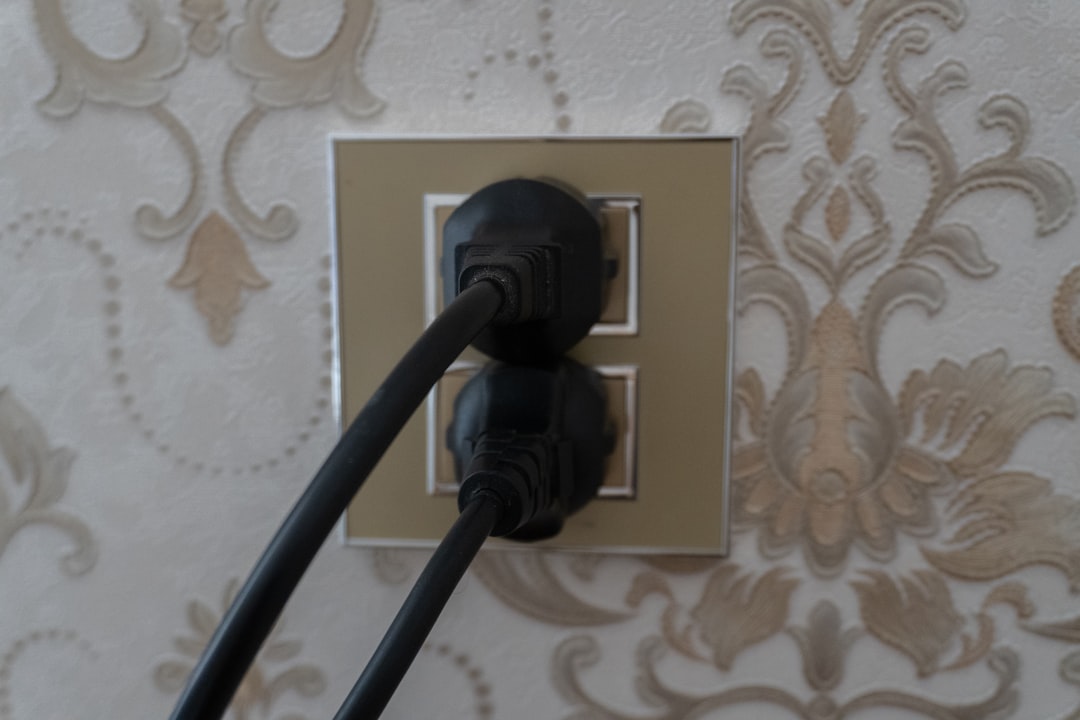

EV charging at home with ComEd allows Illinois homeowners to charge faster, pay less per mile, and qualify for valuable utility rebates.
With the right ComEd home EV charger, most drivers can fully charge overnight, often for a fraction of public charging costs.
This guide explains exactly how home EV charging works in ComEd territory, what it costs, and how to set it up correctly.
Understanding EV Charging at Home with ComEd
ComEd is the primary electric utility serving northern Illinois, including Chicago and surrounding suburbs. If you live in ComEd territory, you have access to specific EV incentives, approved rate plans, and electrical standards designed for safe and efficient home charging.
EV charging at home ComEd customers install typically uses a Level 2 charger connected to a 240-volt circuit. This setup balances speed, affordability, and long-term convenience.
- Charge your EV overnight while electricity demand is low
- Avoid public charging lines and price fluctuations
- Increase home value with future-ready infrastructure
- Access ComEd rebates and time-of-use savings
Level 1 vs. Level 2 Charging in Illinois
Before choosing a charger, it’s important to understand the two residential charging options available in Illinois.
Level 1 Charging (120V)
Level 1 charging uses a standard household outlet. While it requires no installation, it is extremely slow.
- Adds 3–5 miles of range per hour
- Best for plug-in hybrids or very low daily mileage
- Not ideal for most full EV owners
Level 2 Charging (240V)
A Level 2 charger Illinois homeowners install uses a 240-volt circuit, similar to an electric dryer or oven.
- Adds 25–40 miles of range per hour
- Fully charges most EVs overnight
- Required for ComEd rebate eligibility
For most drivers, Level 2 is the clear choice for reliable EV charging at home with ComEd.
ComEd Home EV Charger Options
ComEd does not require a specific brand, but it does require chargers to meet safety and performance standards. Choosing the right charger affects speed, rebate eligibility, and long-term usability.
| Feature | What to Look For |
|---|---|
| Power Output | 32–48 amps for most homes |
| Connectivity | Wi‑Fi enabled for energy tracking |
| Certification | UL-listed and ComEd-approved |
| Cable Length | 18–25 feet for flexible parking |
Popular ComEd-compatible chargers include models from ChargePoint, JuiceBox, Wallbox, and Tesla (with adapters for non-Tesla vehicles).
EV Charger Installation Cost in Illinois
EV charger installation cost Illinois homeowners pay varies based on electrical capacity, distance from the panel, and whether upgrades are required.
Typical Cost Breakdown
| Installation Component | Typical Cost Range |
|---|---|
| Level 2 Charger | $500 – $900 |
| Basic Installation | $600 – $1,200 |
| Electrical Panel Upgrade | $1,500 – $4,000+ |
| Permit & Inspection | $100 – $300 |
Homes with newer 200-amp panels often avoid major upgrades, while older homes may require a ComEd electrical panel upgrade for EV charging.
When a ComEd Electrical Panel Upgrade Is Required
Many Illinois homes built before 1990 have 60-amp or 100-amp panels. These systems were not designed to support EV charging loads.
You may need a panel upgrade if:
- Your panel is already near capacity
- You plan to charge at 40–48 amps
- You have electric heating, cooking, or solar
- ComEd load calculations exceed safe limits
Upgrading your panel improves safety, allows faster charging, and prepares your home for future electrification.
ComEd Rebates and Incentives for Home EV Charging
One of the biggest advantages of EV charging at home with ComEd is access to utility rebates.
Available ComEd Incentives
- Rebates for qualifying Level 2 chargers
- Installation cost reimbursements
- Time-of-use electricity rate discounts
Rebate amounts and eligibility change periodically, so it’s critical to confirm current programs before installation.
Time-of-Use Rates Explained
ComEd offers optional time-of-use pricing that rewards off-peak charging.
- Lower overnight electricity rates
- Higher daytime peak pricing
- Ideal for drivers who charge after 9 p.m.
Most EV owners save hundreds per year by combining off-peak charging with a Level 2 charger.
Step-by-Step: How to Set Up EV Charging at Home with ComEd
- Confirm ComEd service and available rebates
- Choose a ComEd-approved Level 2 charger
- Schedule a home electrical evaluation
- Upgrade panel if required
- Install charger with permits
- Register charger for rebates
Working with a licensed electrician familiar with ComEd requirements helps avoid delays and inspection issues.
Safety, Permits, and Inspections in Illinois
All Level 2 installations require permits and inspections under Illinois electrical code.
- Ensures proper grounding and load management
- Required for rebate eligibility
- Protects homeowners from fire risk
Never install a Level 2 charger without professional evaluation, even if the panel appears sufficient.
Is Home EV Charging Worth It with ComEd?
For most drivers, the answer is yes.
- Lower cost per mile than gasoline
- Convenience of charging at home
- Access to ComEd rebates and off-peak rates
- Increased property value
Even with installation costs, most homeowners break even within a few years compared to public charging and fuel expenses.
Frequently Asked Questions About EV Charging at Home with ComEd
How much does EV charging at home with ComEd cost per month?
Most ComEd customers spend $30–$60 per month charging at home, depending on mileage and off-peak usage.
Do I need ComEd approval before installing a home EV charger?
You do not need pre-approval, but the charger must meet ComEd requirements and pass inspection to qualify for rebates.
What is the best Level 2 charger for ComEd customers?
The best charger is a UL-listed, Wi‑Fi-enabled Level 2 unit that qualifies for current ComEd incentive programs.
How long does EV charger installation take in Illinois?
Most installations take one day, though panel upgrades may add several days depending on permits and utility coordination.
Will ComEd require an electrical panel upgrade for EV charging?
ComEd does not mandate upgrades directly, but load calculations may require a panel upgrade to meet safety standards.
Get Started with EV Charging at Home Today
EV charging at home with ComEd is one of the smartest upgrades Illinois homeowners can make. With the right charger, proper installation, and available rebates, you’ll enjoy faster charging, lower energy costs, and long-term peace of mind.
Schedule a professional EV charger consultation today to find out what your home needs and start charging smarter.