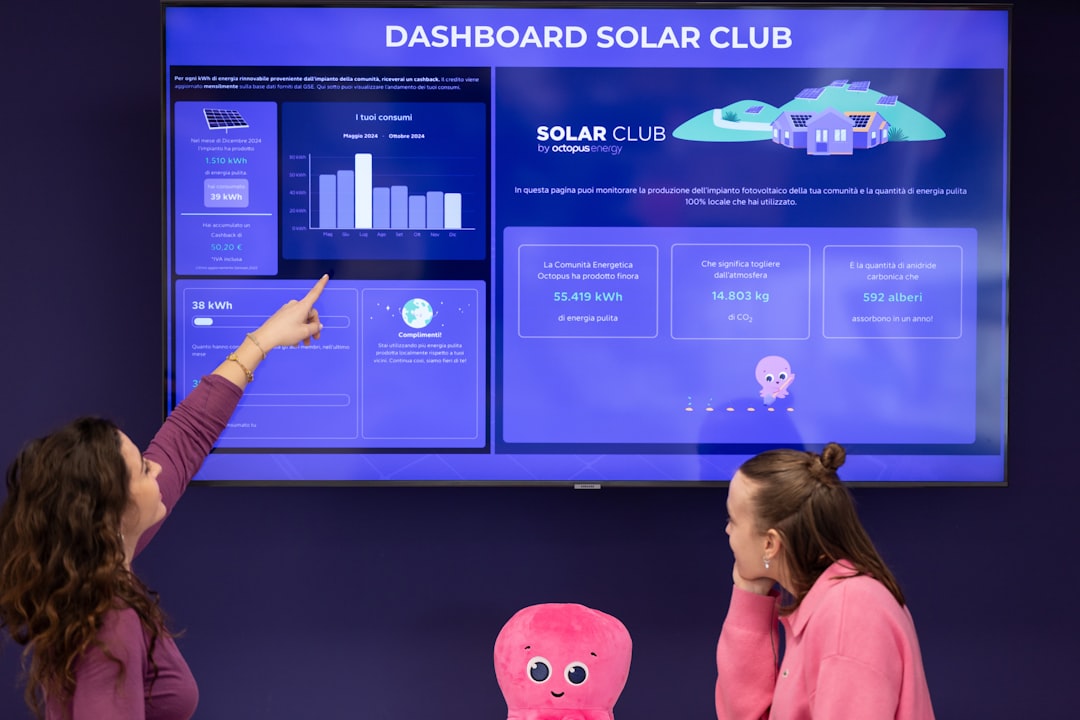

Smart home energy monitoring allows homeowners to see exactly how much electricity their home and individual devices use in real time. These systems connect to your electrical panel and apps to help you reduce energy waste, lower utility bills, and make smarter decisions about appliances and solar usage.
If you want clearer insight into rising energy costs, home energy monitor devices are one of the fastest and most effective solutions available today.
What Is Smart Home Energy Monitoring?
Smart home energy monitoring refers to technology that tracks, analyzes, and displays electricity usage throughout your home. Unlike traditional utility bills that only show monthly totals, these systems provide real-time and historical data down to individual circuits or appliances.
Most modern systems use sensors installed in your electrical panel and sync data to a mobile or web-based dashboard. From there, you can see usage patterns, identify inefficiencies, and take action immediately.
- Tracks whole-home and device-level energy use
- Provides real-time and historical insights
- Integrates with smart home platforms
- Helps reduce energy bills and carbon footprint
How Smart Home Energy Monitoring Devices Work
While features vary by brand, most home energy monitor devices follow a similar process:
- Current sensors clamp around your main electrical lines or individual circuits.
- The device measures electrical flow in real time.
- Data is transmitted securely to a cloud platform.
- You view usage, trends, and alerts via an app.
Some advanced systems use machine learning to identify individual appliances based on their electrical signatures, while others rely on per-circuit monitoring for higher accuracy.
Key Benefits of Smart Home Energy Monitoring
Installing a smart energy monitor is not just about curiosity. It delivers tangible financial and operational benefits for homeowners.
Lower Energy Bills
By identifying energy-hogging appliances and unnecessary usage, many users reduce consumption by 10–30% within the first year.
Real-Time Awareness
See spikes in usage immediately, whether caused by HVAC systems, EV charging, or malfunctioning equipment.
Appliance-Level Insights
Understand how much electricity your refrigerator, dryer, or home office actually consumes.
Support for Solar and EVs
Many monitors integrate solar production and EV charging data for a complete energy picture.
Popular Home Energy Monitor Devices Compared
| Device | Monitoring Type | Best For | Utility Integration |
|---|---|---|---|
| Sense Energy Monitor | Whole-home + AI detection | Ease of use, appliance detection | Limited utility integrations |
| Emporia Vue | Per-circuit monitoring | High accuracy, solar users | Strong utility support |
| SPAN Panel | Panel-level smart control | New builds, luxury homes | Utility dependent |
Sense Energy Monitor Illinois: What to Know
The Sense energy monitor Illinois homeowners commonly install works well with most residential electrical systems found across the state. It supports single-phase power and integrates with many smart home ecosystems.
However, Illinois residents should note:
- Sense does not directly integrate with ComEd data feeds
- Appliance detection accuracy improves over time
- Professional installation is recommended but not required
For homeowners focused on behavioral insights rather than utility billing integration, Sense remains a popular choice.
Emporia Vue ComEd Integration Explained
Emporia Vue ComEd integration is a major advantage for Illinois and Chicagoland homeowners. Emporia connects directly with ComEd’s Green Button data, allowing you to combine utility data with real-time circuit monitoring.
This creates a powerful, utility-aligned energy management system.
Benefits of Emporia Vue with ComEd
- Accurate billing comparisons
- Time-of-use rate optimization
- Enhanced load forecasting
- Solar and battery tracking
Choosing the Right Smart Home Energy Monitoring System
Selecting the best system depends on your goals, home size, and utility provider.
Ask Yourself These Questions
- Do I want appliance-level detection or per-circuit accuracy?
- Is utility integration important to me?
- Do I have solar panels or an EV?
- Am I comfortable installing sensors in my panel?
Installation Considerations
Most systems require access to your main breaker panel. While DIY installation is common, hiring a licensed electrician ensures safety and code compliance.
Smart Home Energy Monitoring and the Future Grid
As utilities shift toward dynamic pricing and demand response programs, smart energy monitoring becomes essential. These devices empower homeowners to participate in energy markets, reduce strain on the grid, and prepare for electrification trends.
In states like Illinois, where utility programs continue to evolve, integration-ready systems provide long-term value.
Frequently Asked Questions
What is smart home energy monitoring?
Smart home energy monitoring uses sensors and software to track real-time and historical electricity usage in a home.
Are home energy monitor devices accurate?
Yes, most modern devices are highly accurate, especially per-circuit systems like Emporia Vue.
Does Sense energy monitor work well in Illinois?
Yes, the Sense energy monitor Illinois users install works with standard residential electrical systems, though it lacks direct ComEd integration.
What is Emporia Vue ComEd integration?
It allows Emporia Vue to sync with ComEd utility data for billing, usage comparison, and rate optimization.
Can smart energy monitors lower my electric bill?
Most users see measurable reductions by identifying waste and adjusting usage habits.
Take Control of Your Energy Use Today
Smart home energy monitoring is no longer a luxury—it’s a practical tool for controlling costs, improving efficiency, and preparing for the future of energy. Whether you choose Sense, Emporia Vue, or another system, the insight you gain pays dividends every month.
Start monitoring your energy today and turn data into real savings.