
Virtual power plants in Illinois allow homes and businesses to earn money and support the grid by coordinating batteries, solar panels, EV chargers, and smart devices.
Through programs like VPP participation ComEd, customers can reduce energy costs while improving grid flexibility statewide.
Illinois VPPs are a fast-growing solution to manage distributed energy resources and meet clean energy goals.
What Is a Virtual Power Plant in Illinois?
A virtual power plant (VPP) is a network of distributed energy resources that are digitally coordinated to act like a single power plant. Instead of relying only on centralized fossil-fuel generation, utilities and grid operators use VPPs to balance supply and demand in real time.
In Illinois, virtual power plants are becoming a key tool for managing peak demand, integrating renewable energy, and improving grid reliability—especially in ComEd’s service territory.
- Not a physical power plant, but a software-controlled energy network
- Uses existing customer-owned equipment
- Responds within seconds or minutes to grid needs
- Reduces strain during high-demand periods
Why Virtual Power Plants Matter in Illinois
Illinois faces increasing energy demand from electrification, electric vehicles, and data centers, while also transitioning toward clean energy. Virtual power plants help bridge this gap without building costly new infrastructure.
Key Drivers in Illinois
- High summer peak demand from air conditioning
- Rapid growth of rooftop solar and battery storage
- State clean energy and emissions reduction targets
- Grid congestion in urban and suburban areas
By aggregating distributed energy resources, VPPs deliver grid flexibility—the ability to quickly adjust energy supply or demand when conditions change.
Distributed Energy Resources in Illinois
Distributed energy resources (DERs) are small-scale energy assets located at homes, businesses, and community sites. Illinois has seen significant growth in DER adoption, making it an ideal environment for VPP deployment.
Common DERs Used in Illinois VPPs
- Battery energy storage systems
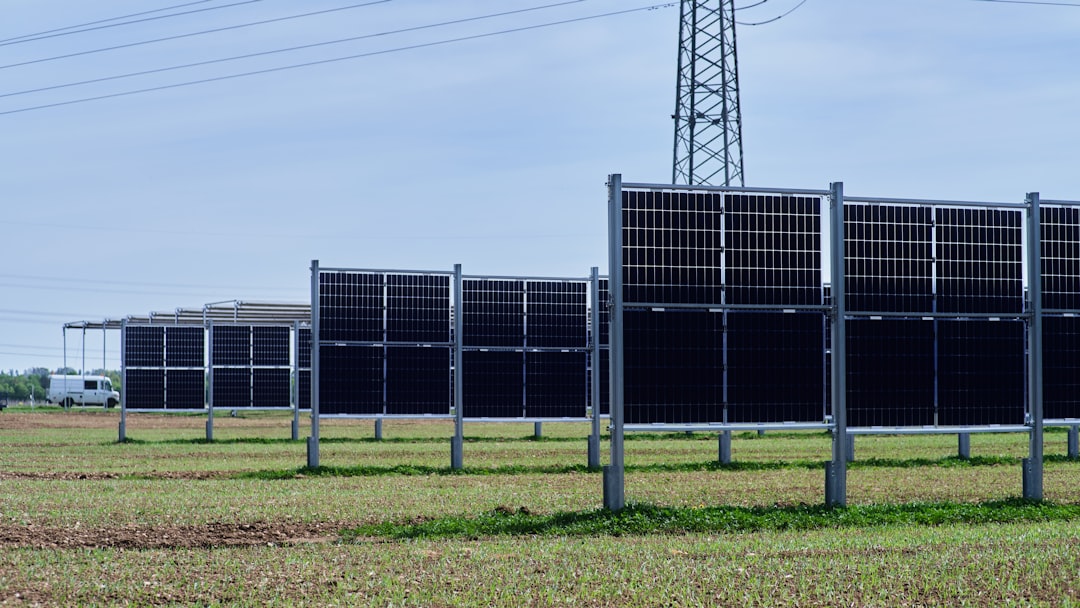
- Rooftop and community solar PV
- Smart thermostats and HVAC controls
- Electric vehicle chargers
- Commercial building energy management systems
Individually, these assets offer limited grid impact. When aggregated through a virtual power plant, they become a reliable and dispatchable energy resource.
How Virtual Power Plants Work in Practice
Virtual power plants operate through advanced software platforms that monitor, forecast, and control DERs across hundreds or thousands of locations.
Step-by-Step VPP Operation
- Enrollment – Customers opt into a VPP program through a utility or aggregator.
- Asset integration – Batteries, thermostats, or chargers connect via secure communication.
- Forecasting – The platform predicts demand, weather, and renewable output.
- Dispatch – During peak events, the VPP adjusts load or injects power.
- Compensation – Participants receive bill credits or payments.
This process allows Illinois utilities to maintain reliability without interrupting customer comfort or operations.
VPP Participation with ComEd
VPP participation ComEd programs are central to Illinois’s virtual power plant landscape. As the largest electric utility in the state, ComEd serves millions of customers in northern Illinois, including Chicago.
Who Can Participate?
- Residential customers with smart thermostats or batteries
- Commercial and industrial facilities
- Multifamily property owners
- EV owners with managed charging capabilities
Typical ComEd VPP Program Features
| Feature | Description | Customer Benefit |
|---|---|---|
| Demand response events | Short-term load reduction during peak periods | Bill credits or incentive payments |
| Automated controls | Smart devices adjust automatically | No manual action required |
| Seasonal participation | Primarily summer peak events | Limited impact on daily comfort |
| Performance-based incentives | Rewards based on actual grid contribution | Higher earnings for higher flexibility |
Participation is voluntary, and most programs allow customers to override events if needed.
Benefits of Virtual Power Plants for Illinois Customers
Virtual power plants offer both financial and non-financial benefits, making them attractive to a wide range of participants.
Customer Advantages
- Lower energy bills through incentives and optimized usage
- New revenue streams from existing equipment
- Minimal lifestyle disruption
- Increased resilience when paired with batteries
For businesses, VPPs can also improve sustainability metrics and support ESG reporting.
Grid Flexibility and Reliability Benefits
Grid flexibility is the core value proposition of virtual power plants in Illinois. Flexible resources can respond faster than traditional power plants, improving reliability during extreme conditions.
System-Level Benefits
- Reduced risk of rolling blackouts
- Lower wholesale energy prices
- Deferred investment in new power plants
- Better integration of wind and solar
During heat waves or cold snaps, VPPs help stabilize the grid without emergency measures.
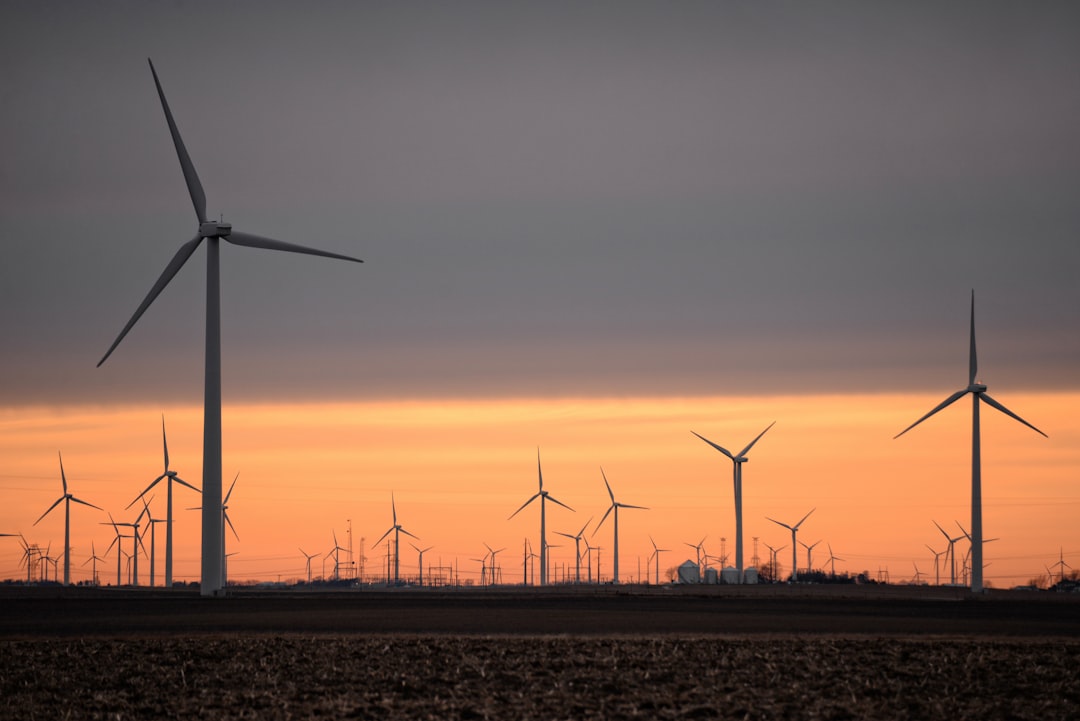
Environmental Impact of Illinois Virtual Power Plants
Virtual power plants play a critical role in reducing emissions by prioritizing clean and efficient energy resources.
Environmental Outcomes
- Reduced reliance on peaker plants
- Lower carbon emissions during peak demand
- More efficient use of renewable energy
- Support for Illinois clean energy policies
By using customer-owned DERs, VPPs achieve sustainability goals at a lower cost than traditional infrastructure.
Challenges and Considerations
While virtual power plants offer significant benefits, there are practical considerations for Illinois participants.
Key Challenges
- Upfront cost of batteries or smart equipment
- Program availability varies by location
- Customer education and awareness
- Data privacy and cybersecurity requirements
State regulators and utilities are actively addressing these challenges through incentives and standardized program designs.
The Future of Virtual Power Plants in Illinois
Illinois is positioned to become a national leader in virtual power plant deployment as technology costs fall and policy support grows.
What to Expect Next
- Expanded ComEd VPP participation options
- Greater integration of EV charging
- Advanced real-time pricing signals
- Increased participation from small businesses
As DER adoption accelerates, virtual power plants will become a foundational component of Illinois’s energy system.
Frequently Asked Questions
What is a virtual power plant in Illinois?
A virtual power plant in Illinois is a coordinated network of distributed energy resources that collectively support the electric grid by reducing demand or supplying power when needed.
How does VPP participation with ComEd work?
ComEd VPP participation allows customers to enroll eligible devices that automatically respond to grid events in exchange for bill credits or financial incentives.
What distributed energy resources are used in Illinois VPPs?
Common distributed energy resources in Illinois include batteries, solar panels, smart thermostats, EV chargers, and building energy management systems.
Do virtual power plants affect my comfort or operations?
Most VPP programs are designed to minimize impact, with short event durations and customer override options.
Are virtual power plants safe and secure?
Yes, Illinois VPPs use encrypted communications and utility-approved platforms to ensure data privacy and system security.
Take the Next Step
Virtual power plants in Illinois are reshaping how energy is produced, managed, and rewarded. If you own solar, batteries, smart devices, or EVs, now is the time to explore VPP participation with ComEd and turn your energy assets into long-term value while strengthening the grid.