
Sustainable Homes in Illinois: What You Need to Know
Sustainable home Illinois solutions focus on energy efficiency, healthy materials, and long-term cost savings tailored to the state’s climate and regulations. Illinois homeowners can reduce utility bills, increase property value, and lower environmental impact through smart design, eco-friendly remodeling, and sustainable home appliances. From Chicago to Springfield, green building Illinois practices are practical, attainable, and increasingly incentivized.
This guide explains exactly how sustainable homes work in Illinois, what features matter most, and how to implement them effectively.
What Defines a Sustainable Home in Illinois?
A sustainable home in Illinois is designed or upgraded to minimize environmental impact while maximizing comfort, durability, and efficiency in a four-season climate. It combines energy-smart construction, responsible material choices, and efficient systems.
- Energy efficiency to handle hot summers and cold winters
- Water conservation for long-term utility savings
- Healthy indoor air quality for year-round comfort
- Durable materials suited to Midwest weather
- Lower operating costs over the home’s lifespan
Why Sustainable Homes Make Sense in Illinois
Illinois experiences temperature extremes, humidity swings, and rising energy costs. Sustainable building strategies are not just environmentally responsible; they are financially and practically smart.
Climate-Driven Benefits
- High-performance insulation reduces winter heat loss
- Efficient cooling systems manage humid summers
- Air sealing prevents drafts and moisture intrusion
- Storm-resilient materials increase durability
Financial Incentives and ROI
Illinois homeowners can take advantage of federal, state, and utility incentives that significantly reduce upfront costs.
| Incentive Type | What It Covers | Potential Savings |
|---|---|---|
| Federal Tax Credits | Solar, insulation, heat pumps | Up to 30% |
| Illinois Shines | Solar panel installations | Performance-based incentives |
| Utility Rebates | HVAC, appliances, audits | $100–$2,000+ |
Core Elements of a Sustainable Home Illinois Homeowners Should Prioritize
1. Energy-Efficient Building Envelope
The building envelope controls how heat and air move in and out of your home. In Illinois, this is the foundation of sustainability.
- High R-value insulation in walls, attics, and basements
- Air sealing around doors, windows, and penetrations
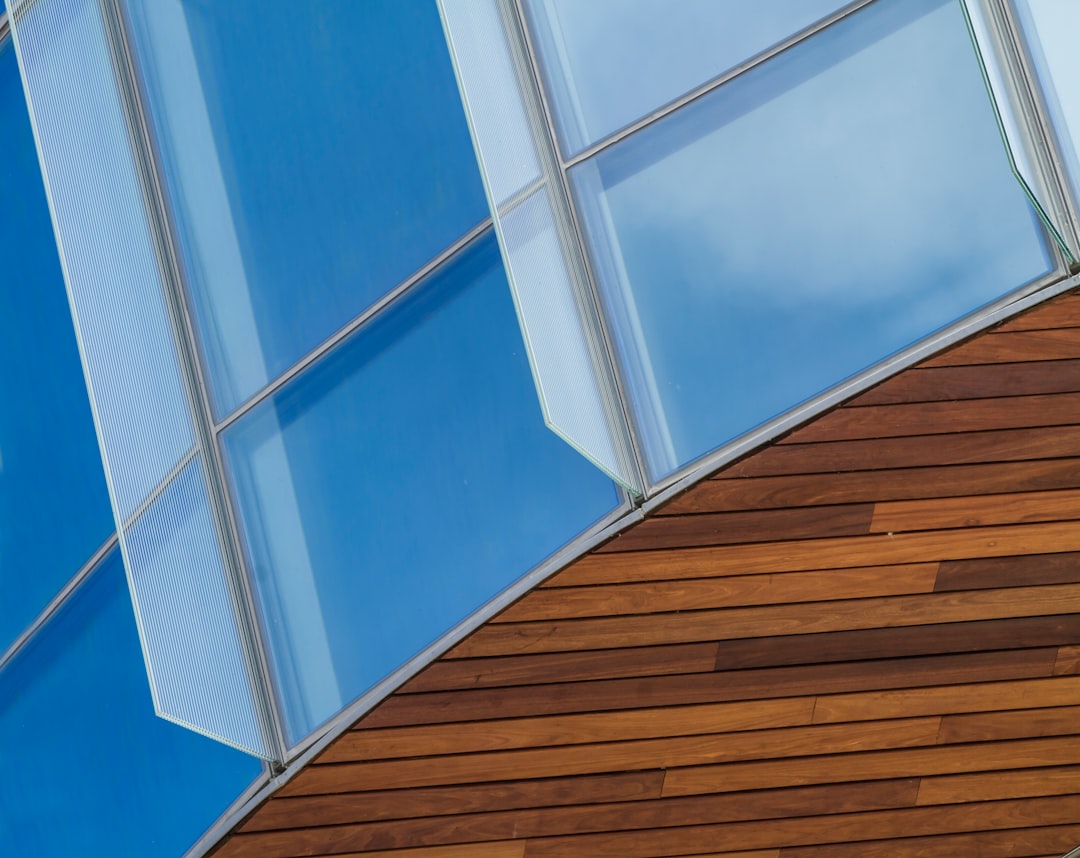
- Triple-pane or low-E windows
2. Sustainable Home Appliances
Sustainable home appliances reduce electricity and water use without sacrificing performance. ENERGY STAR-rated products are a baseline, not a luxury.
- Heat pump HVAC systems
- Induction cooktops
- High-efficiency washers and dishwashers
- Smart thermostats and energy monitors
These appliances perform well in Illinois homes and often qualify for rebates.
3. Eco-Friendly Remodeling Strategies
Eco-friendly remodeling allows existing homes to become sustainable without a full rebuild. This is especially important in older Illinois housing stock.
- Conduct a professional energy audit
- Seal air leaks and upgrade insulation
- Replace inefficient mechanical systems
- Use low-VOC paints and finishes
- Choose reclaimed or locally sourced materials
4. Water Efficiency and Management
While Illinois is not a desert, water efficiency still matters for sustainability and cost control.
- Low-flow fixtures and dual-flush toilets
- ENERGY STAR-certified dishwashers
- Rain barrels and native landscaping
- Permeable paving to reduce runoff
Green Building Illinois: New Construction vs. Existing Homes
Green building Illinois principles apply to both new construction and renovations, but the strategies differ.
New Sustainable Home Construction
Building new allows for full integration of sustainable design from day one.
- Passive solar orientation
- Advanced framing techniques
- Net-zero or near net-zero energy goals
- Integrated renewable energy systems
Upgrading Existing Illinois Homes
Most Illinois homeowners live in existing homes. Sustainability here is about smart prioritization.
| Upgrade Area | Impact Level | Typical Payback |
|---|---|---|
| Insulation & Air Sealing | High | 3–5 years |
| HVAC Replacement | High | 5–8 years |
| Appliance Upgrades | Medium | 2–4 years |
Indoor Air Quality and Health Benefits
Sustainability is not only about energy. Illinois homeowners benefit greatly from healthier indoor environments.
- Mechanical ventilation with heat recovery (ERV/HRV)
- Low-emission building materials
- Moisture control to prevent mold
- High-efficiency air filtration
These features are especially valuable during long Illinois winters when homes are sealed tightly.
Choosing the Right Professionals in Illinois
Successful sustainable homes depend on knowledgeable local professionals who understand Illinois codes, climate, and incentive programs.
What to Look For
- Experience with green building Illinois projects
- Familiarity with local rebate programs
- Certified energy auditors or LEED professionals
- Transparent performance metrics
Common Mistakes to Avoid
Even well-intentioned projects can underperform if key principles are overlooked.
- Installing solar before addressing insulation
- Oversizing HVAC systems
- Ignoring air sealing
- Choosing materials without lifecycle analysis
Long-Term Value of Sustainable Homes
A sustainable home Illinois residents invest in today delivers value for decades.
- Lower monthly utility costs
- Higher resale value
- Reduced maintenance
- Improved comfort and health
As energy codes tighten and buyer preferences shift, sustainable homes are becoming the standard rather than the exception.
Frequently Asked Questions About Sustainable Homes in Illinois
FAQ
What is a sustainable home in Illinois?
A sustainable home in Illinois is designed or renovated to reduce energy and water use, improve indoor air quality, and perform efficiently in the state’s variable climate.
Are sustainable homes more expensive to build in Illinois?
Upfront costs can be slightly higher, but incentives, rebates, and long-term energy savings often offset the initial investment.
What are the best eco-friendly remodeling upgrades for Illinois homes?
The most effective upgrades include insulation improvements, air sealing, efficient HVAC systems, and sustainable home appliances.
Do sustainable homes work well in cold Illinois winters?
Yes. Proper insulation, air sealing, and high-efficiency heating systems make sustainable homes exceptionally comfortable during Illinois winters.
Can older Illinois homes become sustainable?
Absolutely. With strategic eco-friendly remodeling, older homes can achieve high levels of energy efficiency and comfort.
Take the Next Step Toward a Sustainable Home
If you are ready to lower energy bills, improve comfort, and future-proof your property, now is the time to invest in a sustainable home Illinois solution. Consult with local green building professionals, schedule an energy audit, and start transforming your home into a healthier, more efficient place to live today.