

Why is my ComEd bill so high? In most cases, it comes down to higher electricity usage, increased supply or delivery charges, seasonal demand, or added taxes and fees. Even small changes in usage or rates can significantly raise your monthly bill.
The good news: once you understand how ComEd bills are structured, you can identify the cause and take steps to lower future costs.
Understanding Your ComEd Bill at a Glance
Many customers assume a high bill means ComEd raised rates across the board. In reality, your bill is made up of several moving parts, and only some are controlled by ComEd.
- Electric supply charges (energy generation)
- Delivery charges (infrastructure and maintenance)
- Taxes and government fees
- Your actual electricity usage (kWh consumed)
Let’s break down each one and explain why your ComEd bill may be higher than expected.
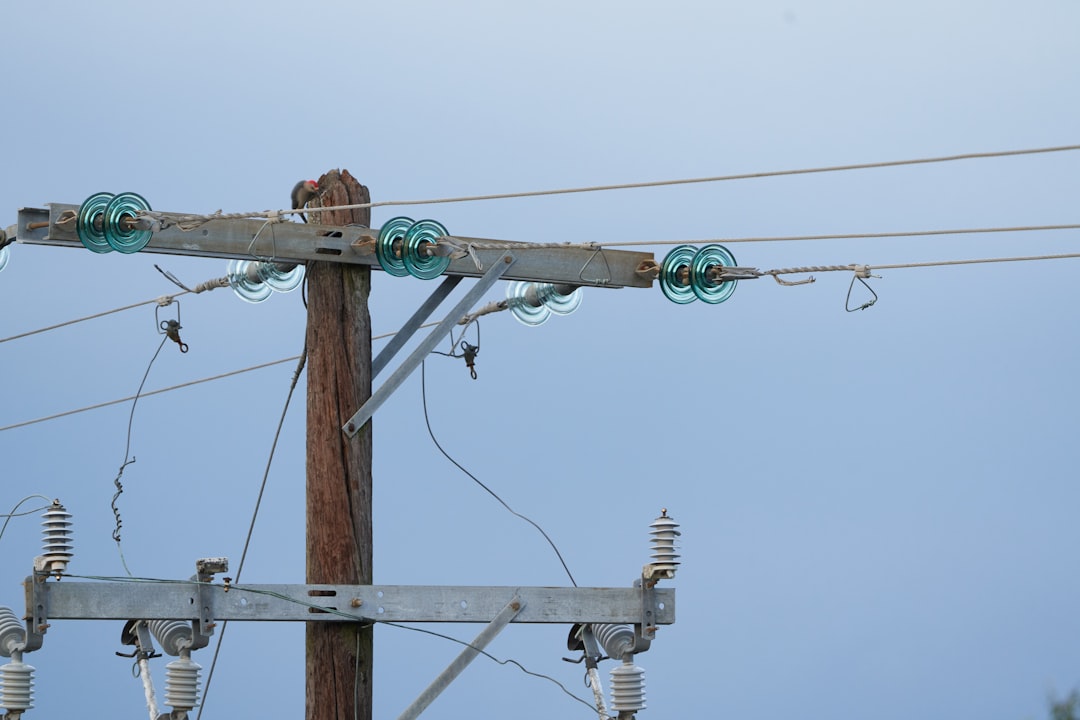
Why Is My ComEd Bill So High? The Most Common Causes
1. Higher Electricity Usage Than You Realize
The most common reason for a high bill is increased electricity usage, often without customers noticing.
ComEd usage spikes typically happen due to:
- Extreme weather (heat waves or cold snaps)
- Running HVAC systems longer than usual
- Space heaters, window AC units, or dehumidifiers
- More people at home (remote work, school breaks)
- Older or inefficient appliances
Even a small daily increase can add up over a 30-day billing cycle.
2. Seasonal Rate and Demand Changes
Electricity costs more during peak demand periods, especially in summer.
During hot months:
- Power plants cost more to operate
- Grid demand increases across Illinois
- Supply prices rise due to market competition
This means your usage may cost more per kilowatt-hour even if consumption stays similar.
3. ComEd Supply Charge Explanation
The supply charge pays for the electricity itself, not delivery.
Important things to know:
- ComEd does not profit from supply charges
- Prices are set by the energy market and state-approved auctions
- Rates can change every few months
If supply prices rise statewide, your bill increases even with normal usage.
| Supply Charge Factor | How It Impacts Your Bill |
|---|---|
| Market energy prices | Higher wholesale costs increase supply rates |
| Seasonal demand | Summer demand raises per-kWh costs |
| Rate adjustments | ComEd updates rates periodically |
4. ComEd Delivery Charge Explanation
The delivery charge covers getting electricity from power plants to your home.
Delivery charges pay for:
- Power lines, transformers, and substations
- Grid maintenance and storm repairs
- Smart meters and system upgrades
Even if supply prices drop, delivery charges can rise due to infrastructure investments.
Delivery costs are regulated by the Illinois Commerce Commission, not set arbitrarily by ComEd.
5. ComEd Taxes and Fees Explained
Many customers overlook how much taxes and fees add to their bill.
Common charges include:
- State and local electricity taxes
- Municipal utility taxes
- Renewable energy and clean energy program fees
- Environmental compliance costs
These charges vary by city and can increase year over year.
6. Estimated Readings or Billing Adjustments
If ComEd couldn’t access your meter, your bill may be estimated.
This can result in:
- Higher-than-expected charges
- Catch-up bills after an actual meter reading
- Usage adjustments covering multiple months
Check your bill for “estimated” vs. “actual” usage notes.
7. ComEd High Bill Alert Notifications
ComEd sends high bill alerts when your usage is trending above normal.
If you received an alert, it usually means:
- Your usage is higher than similar homes
- Your bill is projected to exceed past averages
- There may be an unusual consumption pattern
These alerts are an early warning—not a penalty.

How to Identify What’s Driving Your High ComEd Bill
Step-by-Step Bill Review
- Compare kWh usage to last month and last year
- Check supply and delivery rate changes
- Review taxes and municipal fees
- Look for estimated readings or adjustments
- Confirm billing days (longer cycles cost more)
Most answers are already on your bill—you just need to know where to look.
Use ComEd’s Online Tools
ComEd offers free usage-tracking tools that show:
- Daily and hourly electricity use
- Peak usage times
- Side-by-side comparisons with similar homes
This data helps pinpoint exactly when costs are increasing.
How to Lower a High ComEd Bill Moving Forward
Immediate Actions
- Adjust thermostat settings by 2–3 degrees
- Turn off unused electronics and lights
- Run major appliances during off-peak hours
- Replace old bulbs with LEDs
Long-Term Cost Reduction
- Upgrade to energy-efficient appliances
- Seal air leaks and improve insulation
- Enroll in budget billing or payment plans
- Monitor usage weekly, not monthly
Small efficiency improvements compound into meaningful savings.
When to Contact ComEd
You should contact ComEd if:
- Your bill doubled without explanation
- Usage doesn’t match your household activity
- You suspect a meter or billing error
- You need payment assistance options
Customer service can review usage data and explain specific charges.
Frequently Asked Questions
Why is my ComEd bill so high compared to last month?
Higher usage, seasonal rate changes, or longer billing cycles are the most common reasons. Weather-driven HVAC use often plays the biggest role.
What is the difference between supply and delivery charges?
Supply charges pay for electricity generation, while delivery charges cover infrastructure, maintenance, and grid reliability.
Does ComEd control electricity prices?
ComEd does not set supply prices. These are determined by energy markets and approved by state regulators.
Why do ComEd bills increase in summer?
Increased demand, higher supply prices, and heavier air conditioning usage all contribute to higher summer bills.
What should I do if I get a ComEd high bill alert?
Review your recent usage, check for new appliances or weather changes, and adjust consumption to avoid a higher final bill.
Take Control of Your ComEd Bill Today
A high ComEd bill isn’t random—it’s the result of usage, rates, and charges you can understand and manage. Review your bill closely, monitor your energy habits, and take action now to avoid surprises next month.
Start tracking your usage today and turn insight into savings.