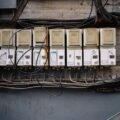

BLUF: The ComEd solar program allows Illinois homeowners and businesses to install rooftop solar systems, connect them to the ComEd grid, and earn bill credits through net metering. To participate, you must meet ComEd rooftop solar requirements, submit a formal ComEd solar application, complete interconnection approval, and install a compliant ComEd solar meter using an approved contractor.
This guide explains exactly how solar works with ComEd, the rules you must follow, timelines, costs, and how to avoid common application mistakes.
What Is the ComEd Solar Program?
The ComEd solar program is the framework that governs how customer-owned solar energy systems connect to the Commonwealth Edison electric grid. It applies to residential, commercial, and community solar installations within ComEd’s service territory in northern Illinois.
ComEd does not install solar panels or sell solar equipment. Instead, it manages grid interconnection, net metering, and safety compliance to ensure solar systems operate reliably alongside the electric grid.
- Supports rooftop and ground-mounted solar
- Includes residential and commercial customers
- Works alongside Illinois Solar Renewable Energy Credits (SRECs)
- Requires formal approval before system activation
How Solar Works with ComEd
Understanding how solar works with ComEd helps clarify billing, credits, and system operation.
Grid-Tied Solar Operation
Most ComEd customers use grid-tied solar systems. These systems generate electricity during daylight hours and send excess power back to the grid when production exceeds on-site use.
- Solar powers your home first
- Excess electricity flows to the ComEd grid
- Energy imports occur at night or during low production
Net Metering with ComEd
ComEd offers net metering for eligible solar systems. This means your electric meter tracks both delivered and received energy.
| Energy Flow | What Happens |
|---|---|
| Solar produces more than you use | Excess power exported to grid for bill credits |
| You use more than solar produces | Power imported from ComEd grid |
Credits are applied to future bills and typically offset supply charges rather than delivery charges.

ComEd Rooftop Solar Requirements
Meeting ComEd rooftop solar requirements is mandatory before your system can be energized.
System Size Limits
ComEd allows systems sized to offset customer usage. Oversized systems may be rejected.
- Residential systems typically up to 25 kW
- Commercial systems vary based on load
- System must not exceed historical usage without justification
Equipment Standards
All solar equipment must meet national and utility-specific standards.
- UL-listed solar panels and inverters
- IEEE 1547 compliant inverters
- Anti-islanding protection required
Electrical and Structural Compliance
Local building codes and inspections are required in addition to ComEd approval.
- Municipal electrical permits
- Roof structural integrity confirmation
- Fire setback and access requirements
ComEd Solar Interconnection Explained
ComEd solar interconnection is the process of connecting your solar system to the utility grid safely and legally.
Why Interconnection Matters
Interconnection ensures your solar system:
- Does not endanger utility workers
- Does not destabilize grid voltage
- Disconnects during outages
Types of Interconnection Reviews
| Review Type | Applies To | Typical Timeline |
|---|---|---|
| Simplified Review | Small residential systems | 2–4 weeks |
| Standard Review | Larger or complex systems | 4–8 weeks |
Most homeowners qualify for simplified review.
ComEd Solar Application Process (Step-by-Step)
The ComEd solar application must be approved before your system can operate.
Step 1: Choose an Approved ComEd Solar Contractor
Only qualified installers familiar with ComEd requirements should handle your application.
- Experience with ComEd interconnection portal
- Licensed and insured in Illinois
- Knowledge of local permitting
Step 2: System Design and Documentation
Your contractor prepares technical documents, including:
- Electrical one-line diagram
- Site layout and equipment specs
- Inverter certifications
Step 3: Submit Interconnection Application
The application is submitted through ComEd’s online interconnection system.
- Application fee may apply
- ComEd reviews for technical compliance
- Corrections may be requested
Step 4: Install the Solar System
Once conditional approval is granted, installation can proceed.
- Local inspections completed
- Equipment installed per approved design
Step 5: Final Approval and Permission to Operate
ComEd issues Permission to Operate (PTO) after final review.
Do not activate your system before PTO.
ComEd Solar Meter and Billing
A compliant ComEd solar meter is required to measure energy flow accurately.
Meter Types
- Bi-directional smart meters
- Remote-read capability
In most cases, ComEd replaces or reprograms your existing meter at no additional cost.
Understanding Your Solar Bill
Your bill will show:
- Energy delivered from ComEd
- Energy received from your solar system
- Net metering credits
Credits typically roll over month to month but may expire annually depending on your rate plan.
Approved ComEd Solar Contractors
Working with Approved ComEd solar contractors reduces delays and ensures compliance.
What to Look For
- Proven ComEd interconnection experience
- Clear warranty and workmanship guarantees
- Transparent pricing and timelines
Red Flags to Avoid
- Guaranteeing instant approval
- Ignoring usage-based sizing rules
- Lack of ComEd-specific references
Costs, Incentives, and Savings
While ComEd does not subsidize solar directly, Illinois offers strong incentives.
Typical Costs
- Residential systems: $12,000–$25,000 before incentives
- Commercial systems vary widely
Available Incentives
- Illinois Solar Renewable Energy Credits (SRECs)
- Federal Investment Tax Credit (ITC)
- Net metering bill credits
Combined incentives can reduce payback periods to 6–9 years in many cases.
Common ComEd Solar Application Mistakes
Avoid these frequent issues that delay approval:
- Incomplete electrical diagrams
- Oversized systems without load justification
- Uncertified inverter models
- Skipping municipal permits
Experienced contractors help prevent these errors.
FAQ: ComEd Solar Program
Does ComEd install solar panels?
No. ComEd does not sell or install solar equipment. Customers must work with third-party installers.
How long does ComEd solar interconnection take?
Most residential projects receive approval within 4–8 weeks, depending on application completeness.
Do I need battery storage for ComEd solar?
No. Battery storage is optional and not required for net metering participation.
Will my solar work during a power outage?
Standard grid-tied systems shut down during outages unless paired with battery backup.
Can I expand my system later?
Yes, but expansions require a new ComEd interconnection review and approval.
Ready to Start Your ComEd Solar Project?
If you’re considering rooftop solar, understanding the ComEd solar program is the first step to a smooth installation. Work with an experienced contractor, follow the application process carefully, and take advantage of Illinois incentives.
Get expert guidance today and start generating clean, ComEd-approved solar energy with confidence.