
ComEd voltage issues commonly cause flickering lights, damaged appliances, and inconsistent power inside homes and businesses across Northern Illinois. These problems usually stem from low voltage, high voltage, or unstable power quality supplied through the utility or local infrastructure. If left unresolved, voltage issues can shorten equipment lifespan, increase energy costs, and create safety risks.
This guide explains exactly why these problems happen, how to identify them, and what steps you should take to protect your property and get ComEd involved when necessary.
Understanding ComEd Voltage Issues
Voltage refers to the electrical pressure that pushes power through your wiring. In most ComEd service areas, residential voltage should stay within a narrow range around 120 volts. When voltage drifts too low, too high, or fluctuates rapidly, problems begin.
Power quality ComEd issues can affect a single home, an entire block, or even a neighborhood depending on the source of the problem.
What Causes Voltage Problems?
- Aging or overloaded transformers
- Loose or damaged service neutral connections
- Utility-side wiring degradation
- Severe weather or tree damage
- Large electrical loads turning on nearby
Flickering Lights and ComEd Power Fluctuations
Flickering lights ComEd customers experience are one of the most common early warning signs of voltage instability. While occasional flickers during storms can be normal, frequent or severe flickering is not.
Types of Light Flickering
- Rhythmic dimming: Often tied to motor loads or voltage drops
- Random flickers: May indicate loose neutral or transformer issues
- Bright flashes: Potential sign of high voltage surges
If lights flicker when appliances turn on, such as HVAC systems or refrigerators, this may point to a supply-side issue rather than internal wiring.
Low Voltage Home ComEd Problems
Low voltage home ComEd conditions occur when your electrical system receives less voltage than required to operate properly. This often causes appliances to work harder and run hotter.
Common Symptoms of Low Voltage
- Lights dimming under load
- Motors overheating or stalling
- Electronics randomly shutting down
- Reduced HVAC performance
Why Low Voltage Is Dangerous
Low voltage doesn’t just cause inconvenience. It can permanently damage motors in air conditioners, furnaces, and refrigerators. Over time, this leads to premature failure and costly replacements.
High Voltage Home Damage Risks
High voltage home damage is less common but far more destructive. Excess voltage can instantly destroy sensitive electronics and create fire hazards.
Signs of High Voltage Problems
- Light bulbs burning out frequently
- Electronics overheating or emitting odors
- Buzzing or humming from outlets
- Tripped breakers without heavy loads
High voltage conditions are often caused by a failed neutral connection or improperly regulated utility equipment.
High Voltage vs Low Voltage Comparison
| Issue Type | Primary Symptoms | Risk Level |
|---|---|---|
| Low Voltage | Dimming lights, overheating motors | Moderate to High |
| High Voltage | Burned electronics, bulb failure | High to Severe |
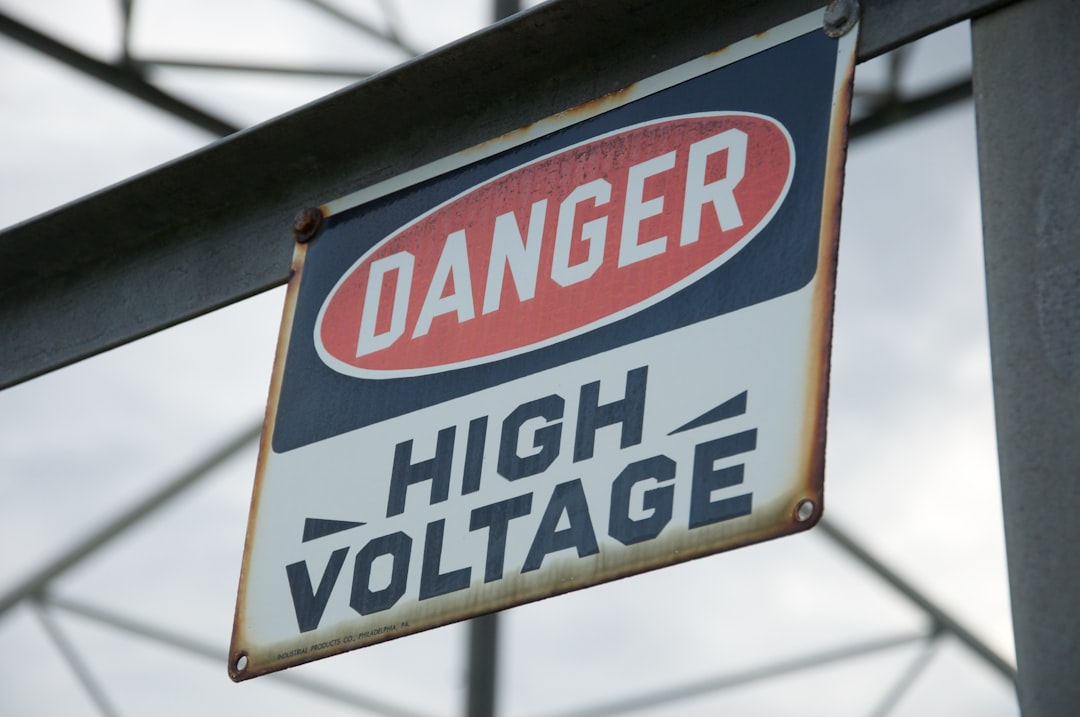
Power Quality ComEd: Beyond Just Voltage
Power quality ComEd issues go beyond simple voltage readings. They include momentary outages, voltage sags, swells, harmonics, and electrical noise.
Power Quality Problems Explained
- Voltage sags: Short drops during high demand
- Voltage swells: Brief spikes above normal levels
- Harmonics: Distorted waveforms affecting electronics
- Electrical noise: Interference impacting sensitive devices
Modern electronics, smart home devices, and medical equipment are especially vulnerable to poor power quality.
How to Determine If ComEd Is Responsible
Not all electrical problems originate from ComEd, but many do. Distinguishing between utility-side and internal wiring issues is critical.
Signs the Problem Is Utility-Side
- Neighbors experiencing similar issues
- Problems occur before your main breaker
- Voltage readings fluctuate at the meter
- Issues worsen during peak usage hours
Signs the Problem Is Inside Your Home
- Only one circuit affected
- Burning smells from outlets
- Tripping breakers localized to one area
Steps to Take When Experiencing ComEd Voltage Issues
- Document symptoms: Note times, duration, and affected devices
- Check with neighbors: Confirm if the issue is widespread
- Measure voltage: Use a multimeter or power monitor
- Contact ComEd: Report power quality concerns clearly
- Consult a licensed electrician: Rule out internal hazards
When contacting ComEd, specifically reference “voltage fluctuation” or “power quality issues” to ensure proper escalation.
Protecting Your Home From Voltage Damage
While ComEd addresses grid-level problems, homeowners should take proactive steps to minimize risk.
Recommended Protection Measures
- Whole-house surge protectors
- Point-of-use surge strips
- Voltage monitoring devices
- Regular electrical inspections
These solutions won’t fix utility problems but can significantly reduce damage during voltage events.
ComEd Voltage Standards and Expectations
ComEd is required to deliver power within regulated voltage limits. Persistent deviations may qualify for investigation, corrective action, or even compensation in extreme cases.
Keeping detailed records strengthens your case and helps engineers identify patterns.
Frequently Asked Questions About ComEd Voltage Issues
What causes flickering lights with ComEd service?
Flickering lights are usually caused by voltage fluctuations from overloaded transformers, loose neutral connections, or utility-side wiring problems.
Can low voltage from ComEd damage appliances?
Yes. Low voltage forces motors and compressors to work harder, leading to overheating and early failure.
Is high voltage from ComEd dangerous?
High voltage can destroy electronics instantly and increase the risk of electrical fires.
How do I report power quality problems to ComEd?
Contact ComEd customer service and specifically report voltage fluctuations or power quality issues, including dates and symptoms.
Will ComEd fix voltage problems inside my home?
No. ComEd is responsible up to the meter. Internal wiring issues require a licensed electrician.
Take Action Before Voltage Issues Get Worse
Ignoring ComEd voltage issues can lead to expensive repairs, damaged electronics, and serious safety risks. If you notice flickering lights, inconsistent power, or unexplained equipment failures, act immediately.
Document the problem, contact ComEd, and consult a qualified electrician today to protect your home and your investment.